TL;DR
- Indian men often resist couples therapy because of cultural conditioning, where emotional vulnerability is seen as weakness and men are taught to suppress emotions rather than express them.
- Traditional family structures and societal expectations make therapy feel uncomfortable, as seeking outside help may be viewed as exposing private family matters.
- Many men misunderstand couples therapy, assuming it is only for “broken marriages,” when in reality it helps improve communication, emotional connection, and conflict resolution.
- Fear of blame, judgment, and loss of authority can make therapy feel threatening, especially for men who equate masculinity with being in control.
- Culturally sensitive couples counselling can help men feel safer, especially when the therapist understands Indian family systems, gender roles, and emotional stigma.
- Coach For Mind provides culturally aware couples therapy in India, helping couples move from silence and emotional disconnection to mutual respect, healthy communication, and emotional intimacy.
Introduction: Is the silence in your relationship deafening?
Do you feel like you are speaking to an "opaque wall," a partner who shuts down precisely when you need emotional connection most? This kind of emotional stonewalling can feel devastating. Often described as a way of inflicting pain with "zero effort," it leaves countless Indian women feeling unheard, dismissed, and deeply hurt. This is a recurring and heartbreaking reality in many Indian relationships: the longing for emotional connection colliding with a deep resistance to seeking help, especially couples therapy. Why, despite often holding strong romantic ideals, do so many Indian men resist the idea of online couples therapy in India when their relationships face distress?
The answer is not simple. It is rooted in deeply ingrained cultural conditioning, traditional gender roles, societal expectations, and widespread misconceptions about therapy itself. This is not just a question of individual preference. It reflects broader patterns in how men are socialised to approach vulnerability, emotional expression, and relationship struggles. Many are taught to see emotional openness as weakness, to treat relationship problems as private matters, and to view therapy as something only necessary when things have become extreme. These beliefs create significant barriers to seeking support, even when relationships are under serious strain. This is not merely an academic discussion. It is an urgent and necessary conversation about the silent struggles shaping countless marriages and long-term partnerships across India.
In this article, we will explore the many reasons why Indian men struggle to say yes to couples therapy, the cultural and emotional factors behind this resistance, the impact it has on relationships, and the culturally sensitive ways couples can begin to bridge this emotional gap and build healthier, more equitable partnerships.
The Deep Roots of Resistance: Cultural Conditioning and Traditional Masculinity
The reluctance of Indian men to engage in couples therapy isn't a personal failing; it's a deeply ingrained, learned response. It's rooted in centuries of cultural norms and the specific ways masculinity is defined and reinforced in Indian society.
"Mard Ko Dard Nahi Hota": The Stigma of Emotional Vulnerability
The phrase "mard ko dard nahi hota" reflects a deeply rooted belief in traditional Indian masculinity: that men must remain stoic, emotionally controlled, and unaffected by pain. From an early age, many Indian men are taught to suppress emotions, especially those seen as signs of weakness, such as sadness, fear, or vulnerability. Over time, this can lead to emotional illiteracy, making it difficult for men to identify, process, or communicate their feelings.
This conditioning becomes a major barrier to online couples therapy india. Therapy asks people to express emotions openly, examine painful patterns, and acknowledge personal struggles. For men raised to associate emotional vulnerability with weakness, seeking therapy can feel like admitting failure or losing control. It may challenge their sense of masculinity and create resistance, even when the relationship is suffering.
In many cases, behaviours such as the silent treatment stem from this emotional conditioning. While deeply painful for the receiving partner, emotional withdrawal often becomes a learned coping mechanism for men who were never given the tools to communicate distress in healthy ways. The silent treatment is often misunderstood as a harmless or respectful response, but in reality, it can cause deep emotional pain and disconnection in relationships.
The Collectivistic Fabric: Societal and Family Pressures
In India, marriage is often viewed not just as a bond between two individuals, but as a union between two families. This collectivist mindset means that family expectations, social norms, and cultural obligations strongly shape the dynamics of marriage.
For many Indian men, family loyalty remains central even after marriage. Parents often continue to play an influential role in decision-making, and maintaining family harmony may take priority over addressing problems within the marriage. This can create tension, especially when boundaries with extended family are unclear or when one partner feels their needs are being overlooked.
These family pressures can also make marriage counselling feel uncomfortable or unacceptable. Inviting a therapist into the relationship may be seen as exposing private family matters, disrespecting elders, or admitting that the marriage is failing. Because of this, many men may avoid couple counselling gurgaon in order to preserve family image or avoid conflict with relatives.
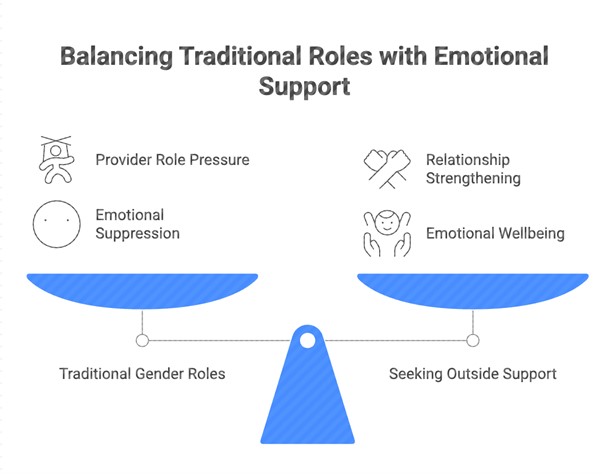
Traditional gender roles can intensify this resistance. Men are often expected to be providers, protectors, and authority figures within the family. Seeking outside support may feel like undermining that role. As a result, many men struggle to seek help, even when therapy could strengthen the relationship and improve emotional well-being for both partners.
The Clash of Ideals: Romance vs. Pragmatism
Many young Indian adults hold strong romantic ideals and deeply value emotional connection in relationships. However, these ideals often conflict with the practical, family-driven realities of marriage in India, where choosing a partner is influenced by social expectations, family approval, and cultural compatibility.
This creates a significant internal conflict for many men. On one hand, they may want a deeply connected and emotionally fulfilling relationship. On the other hand, they may feel pressure to prioritise family expectations and traditional ideas of a "suitable" marriage. Balancing personal desires with cultural obligations can create emotional strain long before marital problems become visible.
These unresolved tensions often lead to difficulties within the relationship. When challenges arise, couples therapy may feel unfamiliar or even irrelevant if it does not recognise the cultural pressures shaping the marriage. Men may hesitate to seek help if they believe therapy cannot address the deeper conflict between their romantic expectations and the responsibilities imposed by family and tradition.
This gap between romantic ideals and marital realities in Indian relationships is one of the many reasons why some Indian men struggle to engage with therapy, even when they genuinely want the relationship to work.
Misconceptions and Mistrust: Why Therapy Feels Alien
Beyond deeply ingrained cultural conditioning, a web of misconceptions and a perceived lack of relevance further deter Indian men from embracing couples therapy.
"It's Only for Broken Relationships": Misconceptions About Couples Therapy
Beyond cultural conditioning, many Indian men are also held back by common misconceptions about couple counselling in Gurgaon, often seeing it as something meant only for relationships that are already falling apart.
One of the most widespread beliefs is that marriage counselling is only for broken relationships or for couples facing severe, irreversible problems. This makes therapy seem like a last resort rather than a proactive step towards building a healthier relationship. Many people assume that marital issues will resolve on their own over time, or that external milestones such as buying a house or having children will naturally improve the relationship.
This mindset often leads couples to ignore emotional disconnection, communication problems, and recurring conflicts until they become much harder to address. By the time therapy is considered, the hurt and resentment may have grown significantly, making healing more difficult.
In reality, couples therapy is not just for struggling marriages. It can help partners improve communication, strengthen emotional intimacy, resolve conflicts in healthier ways, and build a stronger foundation before problems become overwhelming. Read more about what couples therapy does here.
The Western Lens: Perceived Lack of Efficacy or Cultural Relevance
Another reason many Indian men hesitate to engage in couples therapy is the belief that therapy models are not designed for the realities of Indian relationships.
Much of the psychotherapy practised in India is based on Western frameworks that often focus on the individual. While these approaches can be valuable, they may not always align with the family-centred and collectivist nature of Indian marriages, where decisions are influenced by family expectations, cultural roles, and social obligations.
Because of this, therapy can sometimes feel disconnected from the real issues couples are navigating. If the therapeutic process does not recognise the role of family systems, cultural expectations, and social pressures, men may view it as impractical or irrelevant to their lives.
This perceived gap becomes even stronger when deeply personal issues are involved. Concerns around masculinity, sexual expectations, performance anxiety, and cultural shame are often shaped by social beliefs that may not be adequately understood within standard therapeutic models. When therapy fails to acknowledge these realities, men may feel misunderstood, judged, or alienated, making them even less likely to participate.
Practical concerns such as the cost of therapy, the time commitment, and uncertainty about its effectiveness can also contribute to hesitation. When the benefits of therapy are unclear, these barriers can feel like further reasons to avoid seeking help.
The Fear of Blame and Financial Loss
For many Indian men, resistance to marriage counselling is also tied to the fear of being blamed, judged, or put at a disadvantage.
Some men enter marriage carrying anxieties about financial responsibilities, legal risks, and the possibility of losing stability if the relationship fails. In this mindset, therapy may not be seen as a collaborative process but as a setting where fault will be assigned.
This fear can make therapy feel threatening. Instead of viewing it as a safe space to improve communication and resolve conflict, some men may worry that they will be portrayed as the problem or pressured into accepting blame for deeper relationship struggles.
Financial fears can intensify this resistance. When men already feel burdened by the responsibilities of providing, therapy may be seen as another emotional and financial demand with uncertain outcomes. If trust in the relationship is already fragile, discussing finances, responsibilities, and unmet needs in therapy can trigger defensiveness rather than openness.
These fears do not necessarily reflect the reality of couples therapy, but they strongly shape how many men perceive it. Unless these anxieties are acknowledged, therapy can feel less like support and more like a risk, making refusal seem like self-protection. Read more about the truth of couples therapy in India here.
The Silent Toll: Impact on Marital Relationships and Mental Health
The refusal to engage in couples therapy and address underlying issues has profound and often devastating consequences, not just for marital relationships but for the mental well-being of all involved.
The "Opaque Wall": Communication Breakdown and Emotional Stonewalling
When one partner consistently shuts down rather than engaging, it can cause deep emotional pain in the relationship. This kind of emotional stonewalling often leaves the other partner feeling isolated, ignored, and deeply hurt. When attempts to connect are repeatedly met with silence, distance, or withdrawal, emotional safety begins to break down.
This lack of communication slowly erodes trust and intimacy. Over time, the relationship can begin to feel emotionally unsafe, especially for the partner who is trying to reach out and be heard. When someone feels repeatedly dismissed, even basic emotional needs can begin to feel invalidated.
Without honest communication or healthy conflict resolution, couples can become trapped in a painful cycle of frustration and helplessness. One partner withdraws, the other pursues connection, and both end up feeling misunderstood. This emotional distance often grows into resentment, making reconnection harder with time.
The Escalation of Unaddressed Issues
The belief that relationship problems will fix themselves over time can be deeply harmful. Without active effort, open communication, and sometimes couples therapy, unresolved issues rarely disappear. Instead, they tend to deepen.
What begins as emotional distance or repeated misunderstandings can gradually turn into chronic resentment, emotional exhaustion, and severe distress for both partners. When conflicts remain unaddressed, the emotional burden can affect not only the couple but the entire family system.
Children often absorb these unhealthy relational patterns, witnessing silence, avoidance, and emotional disconnection as normal. Over time, this can reinforce cycles of emotional suppression across generations.
This is why early intervention matters. Seeking help through relationship counselling or learning healthier ways to communicate can prevent emotional disconnection from becoming long-term damage. The longer emotional needs remain unmet, the harder it becomes for couples to rebuild trust and emotional intimacy. To better understand what emotional intimacy can look like in a relationship, this Reddit discussion offers some relatable perspectives.
Reclaiming Emotional Agency: Strategies to Encourage Male Participation
Overcoming the deeply entrenched barriers to couples therapy requires a multi-faceted approach that is empathetic, culturally sensitive, and highly practical. Our goal is to reframe therapy not as a sign of weakness, but as a strategic investment in personal growth and relationship resilience.
Understanding Your "Emotional Blueprint": From Learned Resistance to Self-Awareness
For many Indian men, resistance to emotional expression or couples therapy is not simply stubbornness. It is often a learned survival response shaped by a culture that did not encourage emotional awareness or vulnerability. When boys grow up hearing that strength means silence, emotional withdrawal can become a default coping strategy.
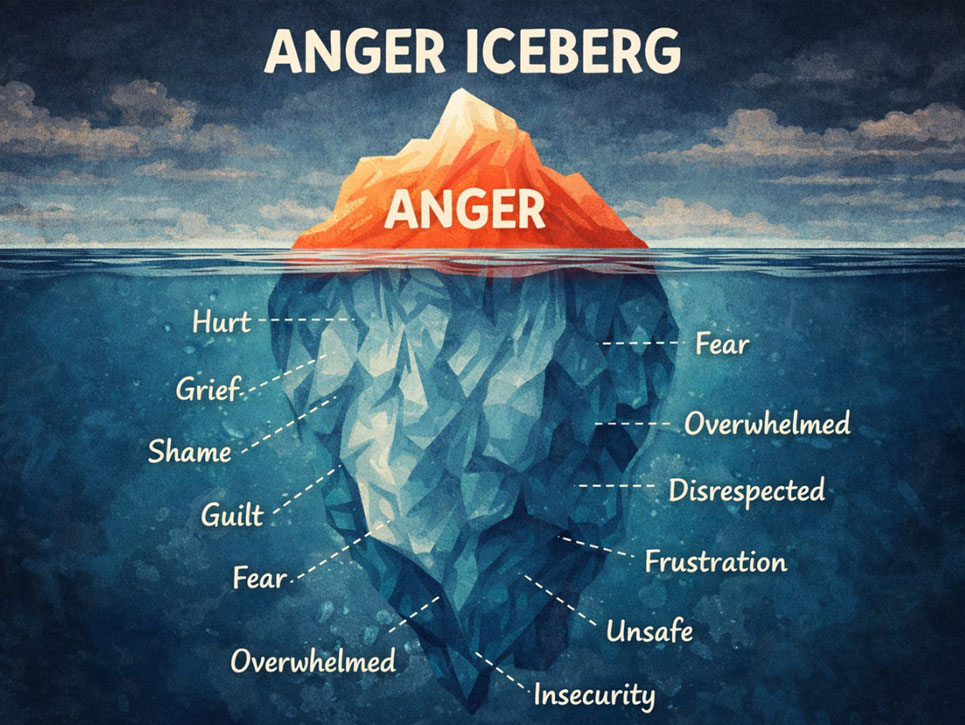
Recognising this pattern is the first step toward change. Many common responses, such as anger, defensiveness, or shutting down during conflict, often have deeper roots in cultural conditioning or unresolved emotional pain. Developing self-awareness helps men understand these patterns and respond differently, improving both emotional well-being and relationship health.
Practical Steps for Cultivating Self-Awareness:
- Identify and name emotions
Move beyond saying "I'm fine." Start noticing and naming what you actually feel: I am frustrated, I am overwhelmed, I am hurt, I am feeling dismissed. Naming emotions builds emotional literacy and makes communication easier. - Journal your thoughts and feelings
Journaling creates a private, judgment-free space to explore emotions. For men who find verbal vulnerability difficult, writing can be a safe first step toward emotional expression. - Practice mindfulness
Mindfulness helps create a pause between feeling and reacting. Instead of automatically shutting down or becoming defensive, men can learn to notice their emotions and choose how to respond. - Reflect on cultural beliefs about masculinity
Messages like "mard ko dard nahi hota" shape how many men understand emotions. Reflecting on how these beliefs influence behaviour can reveal patterns that may be limiting emotional closeness and creating distance in relationships.
Building emotional self-awareness does not weaken masculinity. It strengthens the ability to communicate, connect, and participate more openly in the relationship, making couples therapy far more effective when support is needed.
The New Masculinity Playbook: Courage in Collaboration
True strength in modern Indian relationships lies not in silent endurance, but in the courage to build a partnership rooted in emotional openness, mutual respect, and shared responsibility. Moving beyond traditional patriarchal roles allows couples to create healthier relationships and a stronger foundation for the future. This means redefining masculinity not as control or stoicism, but as the willingness to participate fully in the emotional life of the relationship. Healthy masculinity in marriage includes emotional presence, accountability, and collaboration.
Actionable Ways to Foster a New Masculinity:
- Share emotional responsibility
Actively participate in conversations about feelings, relationship needs, and future goals. Emotional labour should not rest on one partner alone. Shared communication strengthens trust and emotional connection. - Practice active co-parenting
Be involved in both the emotional and practical aspects of raising children. This not only supports your partner but also models emotional presence and partnership for the next generation. - Be transparent about finances
Open discussions about money create trust. Financial responsibility is not just about providing, but about working together to manage resources and make decisions as a team. - Show consistent mutual respect
Respect your partner’s autonomy, opinions, and emotional needs in everyday interactions, especially in front of family members. This builds security and equality in the relationship. - Set healthy boundaries with family
In many Indian marriages, boundaries with extended family are essential for protecting the couple’s emotional well-being. Husbands play a crucial role in creating respectful boundaries that support the relationship while maintaining family respect.
This could sound like:
"We love spending time together as a family, and we value that bond. At the same time, we also need space as a couple, so we would prefer to plan longer visits in advance."
Creating this kind of partnership requires courage, but it builds emotional safety, stronger communication, and greater equality in marriage. This is the foundation of a healthier, more connected form of masculinity.
Demystifying Therapy: A Workshop, Not a Courtroom
Many men avoid couples therapy because they imagine it as a place where they will be blamed, judged, or told what they are doing wrong. But therapy is not a courtroom. It is a structured space where couples learn practical skills to improve communication, rebuild trust, and strengthen emotional connection. Instead of focusing on fault, marriage counselling focuses on helping both partners understand patterns, build healthier responses, and work together more effectively. In that sense, therapy is much closer to a workshop than a trial. It is about learning, not blaming.
What to Expect in Couples Therapy:
- Initial assessment
The therapist begins by understanding both partners’ perspectives, relationship history, and goals. Sometimes this includes individual conversations so that each person feels heard. - Identifying patterns
Couples learn to recognise unhelpful patterns such as emotional withdrawal, criticism, defensiveness, or repeated conflict cycles, along with the emotional triggers behind them. - Skill building
Therapy offers practical tools for better communication, conflict resolution, emotional expression, and listening. These are skills that can be learned and strengthened over time. - Rebuilding emotional connection
The goal is to help both partners develop empathy, improve understanding, and restore emotional intimacy within the relationship. - A collaborative process
Couples therapy is a team effort among both partners and the therapist. The purpose is not to decide who is right or wrong, but to help both people create a healthier relationship dynamic.
When a man says "I'm fine" and resists therapy, it often does not mean the relationship is fine. It may mean he does not recognise the problem, feels afraid of being blamed, or believes that acknowledging difficulty reflects weakness. Reframing couples therapy as a skill-building process rather than a problem-solving intervention can make it feel less threatening. It becomes an opportunity to strengthen the relationship, not an admission that something is broken.
Finding the Right Fit: Culturally Competent Therapy
The effectiveness of therapy for Indian men hinges on finding a therapist who is not only skilled but also deeply sensitive to Indian cultural nuances.
Key Qualities of a Culturally Competent Therapist:
- Understanding of collectivist family dynamics
A culturally aware therapist recognises the central role family plays in Indian relationships and understands how family expectations, obligations, and interdependence can influence marital dynamics. - Awareness of traditional gender roles
They understand how traditional expectations around masculinity and femininity shape emotional expression, conflict patterns, and power dynamics within the relationship. - Sensitivity to mental health stigma
Because therapy still carries stigma in many Indian households, the therapist should be able to create a safe, non-judgmental environment where both partners feel comfortable opening up. - Ability to address culturally specific concerns
A skilled therapist can sensitively discuss concerns around intimacy, shame, sexual myths, and the tension between personal needs and societal expectations, all of which may influence the relationship. - Flexible and adaptive therapeutic approaches
Rather than applying rigid methods, they adapt their interventions to fit the couple’s cultural context, balancing traditional values with practical therapeutic tools.
When searching for relationship counselling in India, look for therapists who mention cultural competence, experience working with Indian couples, or a family systems approach. This can make the therapeutic process feel far more relevant and effective.
At Coach For Mind, our experts understand the cultural realities that shape Indian relationships. We offer culturally sensitive couples therapy in India, helping partners navigate family expectations, communication struggles, emotional disconnection, and intimacy concerns with empathy and practical support. Working with therapists who understand your context can make seeking help feel safer, more meaningful, and far more effective. You may want to reach out to Nitika, our clinical coordinator, here.
Empowering Partners: Navigating the Silent Treatment
While much of the focus is on why men refuse couples therapy, it is equally important to recognise the emotional burden often carried by their female partners. Being met with silence, withdrawal, or emotional shutdown can be painful and exhausting. For partners dealing with this kind of emotional stonewalling, clear and compassionate strategies are essential for both self-protection and change.
Strategies for Partners Navigating Emotional Stonewalling:
- Set clear boundaries: Communicate your needs calmly and directly. For example: "When communication stops, I feel hurt and disconnected. I need us to stay engaged, even if that means taking a pause and returning to the conversation later." This helps define what is and is not acceptable in the relationship.
- Use “I” statements: Express feelings without blame. Saying “I feel lonely when we stop talking” is often more effective than “You always shut me out.” This reduces defensiveness and keeps the focus on emotional impact.
- Validate the context, not the behaviour: It may help to understand that emotional withdrawal can be shaped by upbringing and cultural conditioning. However, understanding the reason behind the behaviour does not mean tolerating it.
- Seek individual support
If your partner refuses therapy, individual counselling can help you process your emotions, develop coping strategies, and strengthen your boundaries. Support for yourself is valuable, even if your partner is not ready. - Educate gently
Sharing helpful resources can open the door to conversation. Articles that normalise emotional vulnerability and explain the benefits of online couple counselling in India may reduce fear and stigma over time.
Suggest a relationship check-up
Instead of framing therapy as a last resort, describe it as a relationship check-up to improve communication and strengthen the bond. This can make the idea of therapy feel less threatening and more practical.
Engaging the Family: A Systemic Approach
In Indian families, relationship struggles rarely exist in isolation. Because marriage is often closely connected to the wider family system, involving supportive family influences can sometimes help reduce resistance to therapy.
How to Engage the Family System:
- Identify male allies
Supportive fathers, brothers, or uncles can play an important role in reducing stigma. When respected male family members encourage emotional openness or professional support, it can make help-seeking feel more acceptable. - Promote family awareness
Gentle conversations about emotional well-being can help shift family attitudes. When emotional health is normalised within the family, men may feel less pressure to maintain silence. - Consider family therapy
When in-law dynamics, family pressure, or intergenerational conflict are deeply affecting the marriage, family therapy can be helpful. It creates space to address broader patterns and improve understanding across the system.
For many couples, change becomes easier when the pressure to “fix the relationship” does not rest solely on one partner. A systemic approach to relationship counselling can help create support not just within the couple, but within the larger family structure as well.
The Evolving Indian Marriage: Towards Mutual Respect and Emotional Equity
Indian marriage is at an important turning point. The concerns many men have about modern relationships, whether around changing gender roles, financial pressure, or uncertainty about expectations, are real and deserve understanding. But these concerns cannot become reasons for emotional withdrawal or for avoiding the work that relationships require.
The real question is not whether Indian men still want marriage, but what kind of marriage they want and whether they have the emotional tools to build it. Many men desire relationships based on mutual respect, emotional safety, and shared responsibility, yet may not have been taught how to build such partnerships. Cultural expectations often prepare men to fulfil responsibilities, but not always to build emotional intimacy. This gap can leave relationships struggling even when the desire for connection is present.
Moving towards emotional equity in marriage means recognising these inherited patterns and choosing to build something healthier. It means challenging the belief that emotional openness weakens masculinity. It means understanding that asking for help, expressing needs, and participating in emotional labour are not signs of failure but signs of commitment. This shift does not require abandoning tradition. It requires adapting it in ways that support healthier relationships. When couples move toward greater openness, respect, and collaboration, they create marriages that are more resilient, fulfilling, and emotionally connected.
The possibility of change is real. With awareness, empathy, and the right support, couples can move beyond silence and toward stronger partnerships. If this conversation resonates with you, reflect on the kind of relationship you want to build and which emotional tools you may need to create it. Couples therapy and relationship counselling can be part of that journey, helping partners build the mutual understanding and emotional connection that lasting relationships need.
At Coach For Mind, we support couples in building emotionally healthy relationships rooted in understanding, respect, and cultural sensitivity. If you are ready to strengthen your relationship and move beyond patterns of silence or disconnection, reaching out for support can be the first step toward lasting change.
Frequently Asked Questions
It is completely understandable for men to feel hesitant about couples therapy, especially when they have grown up in environments where emotional vulnerability was discouraged. Many Indian men are socialised to believe that strength means solving problems alone, which can make asking for help feel uncomfortable. This emotional conditioning often leads men to view therapy as a sign of weakness rather than as a tool for growth. Traditional gender expectations also place pressure on men to remain in control, making emotional openness feel risky. As a result, even when relationships are struggling, many men may avoid therapy because it challenges deeply ingrained beliefs about masculinity. Understanding this resistance is the first step toward reducing shame and making therapy feel safer.
At Coach For Mind, we help men approach couples therapy in a way that feels respectful, practical, and culturally relevant, making it easier to engage in the process.
Couples therapy is not just for marriages in crisis and can be helpful even when problems seem small. Many couples believe therapy is a last resort, but in reality, it works best when used early. Therapy can improve communication, strengthen trust, and address recurring patterns before they become major sources of pain. Seeking support early can prevent emotional distance from deepening over time. Just like routine healthcare helps prevent serious illness, relationship counselling helps protect the emotional health of a marriage. Viewing therapy as preventive care can make it feel much less intimidating for both partners.
At Coach For Mind, we guide couples in using therapy proactively so they can strengthen their relationship before disconnection turns into a crisis.
It makes sense that therapy may feel threatening when it is misunderstood as a space where blame is assigned. Many men worry that therapy will expose their shortcomings or force them into uncomfortable emotional territory. If a person already feels pressure to be the provider or authority figure, the idea of being emotionally vulnerable may feel destabilising. Some also fear losing control over how relationship problems are interpreted or discussed. This fear can create defensiveness, avoidance, or outright refusal to attend therapy. In reality, couples therapy focuses on patterns and communication, not on deciding who is right or wrong.
At Coach For Mind, we create a non-judgmental space where men can participate without fear of blame, making therapy feel collaborative rather than threatening.
Yes, emotional shutdown is something that couples therapy can absolutely help address with the right support and patience. Emotional withdrawal often develops as a learned coping mechanism when someone feels overwhelmed or unsafe expressing vulnerability. Therapy helps identify the emotional triggers behind shutting down and teaches healthier ways to respond during conflict. It also helps the other partner communicate their needs in ways that reduce defensiveness. Over time, these new patterns can create more safety and emotional connection for both people. Emotional shutdown may feel permanent, but it can change when the underlying fears are understood.
At Coach For Mind, we work with couples to gently break patterns of silence and build healthier emotional communication.
It is important to remember that cultural background strongly influences how people understand emotions, conflict, and help-seeking. In India, family roles, social expectations, and ideas about masculinity often shape how men respond to emotional struggles. Men may have been taught that relationship problems should remain private and that outside help is unnecessary. This can make therapy feel culturally unfamiliar or even inappropriate. A therapist who does not understand these influences may unintentionally make the process feel irrelevant. Cultural sensitivity is essential for therapy to feel safe and useful.
At Coach For Mind, our therapists understand the cultural realities of Indian relationships and tailor support to respect those experiences.
Yes, therapy can still be effective even when one partner finds emotional expression difficult. Emotional expression is a skill that many people were never taught, especially men who were encouraged to suppress vulnerability. Therapy does not require someone to be emotionally articulate from the beginning. Instead, it helps individuals gradually learn to identify feelings, communicate needs, and stay present in difficult conversations. Progress may take time, but emotional skills can be developed with support. What matters most is willingness, not perfection.
At Coach For Mind, we help partners build emotional expression step by step in a way that feels manageable and supportive.
It is normal to feel frustrated when your partner refuses therapy, but pressure often creates more resistance. Instead of presenting therapy as a solution to what your partner is doing wrong, it helps to frame it as support for the relationship. Using calm language about wanting better communication rather than “fixing problems” can reduce defensiveness. Sometimes, introducing therapy as a relationship check-up makes it feel less threatening. Gentle education about what therapy involves can also help challenge fears or misconceptions. Even if your partner is hesitant, small conversations can open the door over time.
At Coach For Mind, we help couples begin this process gently and support hesitant partners in feeling safer about taking the first step.
It can be painful when a partner refuses therapy, but that does not mean all hope is lost. Even if one partner is unwilling, individual therapy can help you build coping strategies, improve communication, and set healthy boundaries. Sometimes, when one person changes how they respond, the relationship dynamic begins to shift. Individual support can also help clarify what is and is not sustainable in the relationship. While couples therapy is ideal, personal therapy still creates meaningful change. It can help reduce emotional burnout and improve decision-making.
At Coach For Mind, we support individuals navigating emotionally difficult relationships, even when their partner is not ready to seek help.
If communication regularly breaks down, conflicts remain unresolved, or emotional distance is increasing, therapy may be beneficial. Many couples wait until the relationship feels unmanageable before seeking help, but early support is often far more effective. Signs such as frequent arguments, silence after conflict, resentment, or a lack of intimacy can indicate the need for support. Therapy helps identify the underlying patterns behind these struggles. Seeking help early can prevent long-term damage to trust and connection. You do not need to wait for a crisis to justify getting support.
At Coach For Mind, we help couples recognise early warning signs and strengthen their relationship before deeper problems develop.
It is absolutely possible to rebuild a connection, even when a relationship feels emotionally distant right now. Emotional disconnection often develops gradually through repeated misunderstandings, unspoken hurt, and unresolved patterns. Couples therapy helps bring those patterns into awareness and creates practical ways to reconnect. With guided support, couples can improve communication, rebuild trust, and learn to respond to each other with greater empathy. Healing emotional disconnection takes structure, safety, and the right therapeutic approach. With culturally sensitive support, even long-standing patterns can begin to shift.
At Coach For Mind, we specialise in helping couples rebuild emotional connection through compassionate, culturally informed couples therapy designed for Indian relationships.