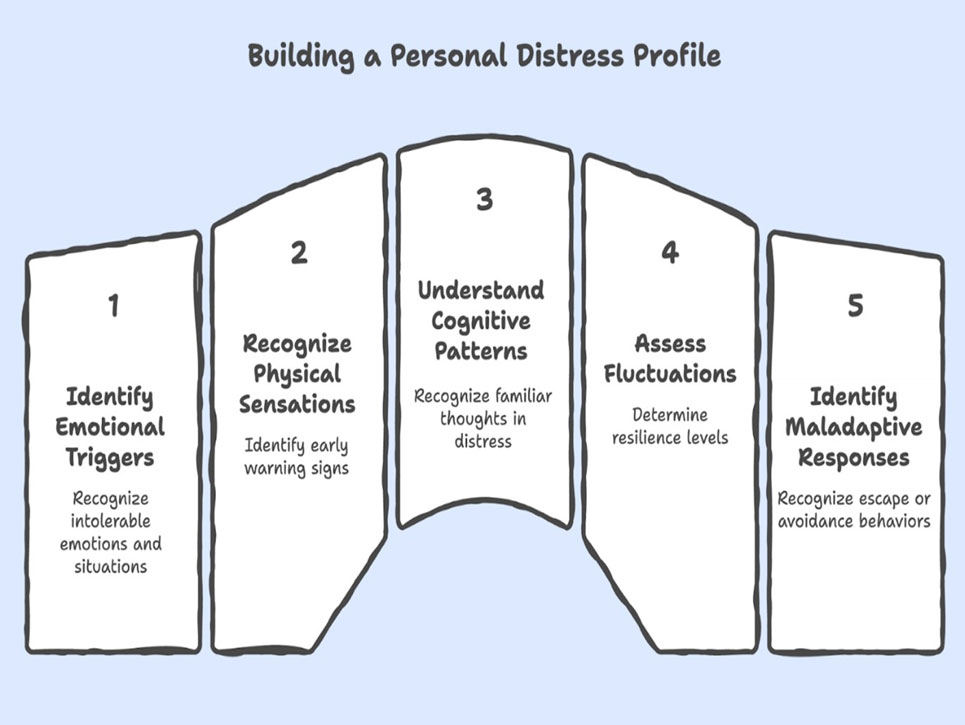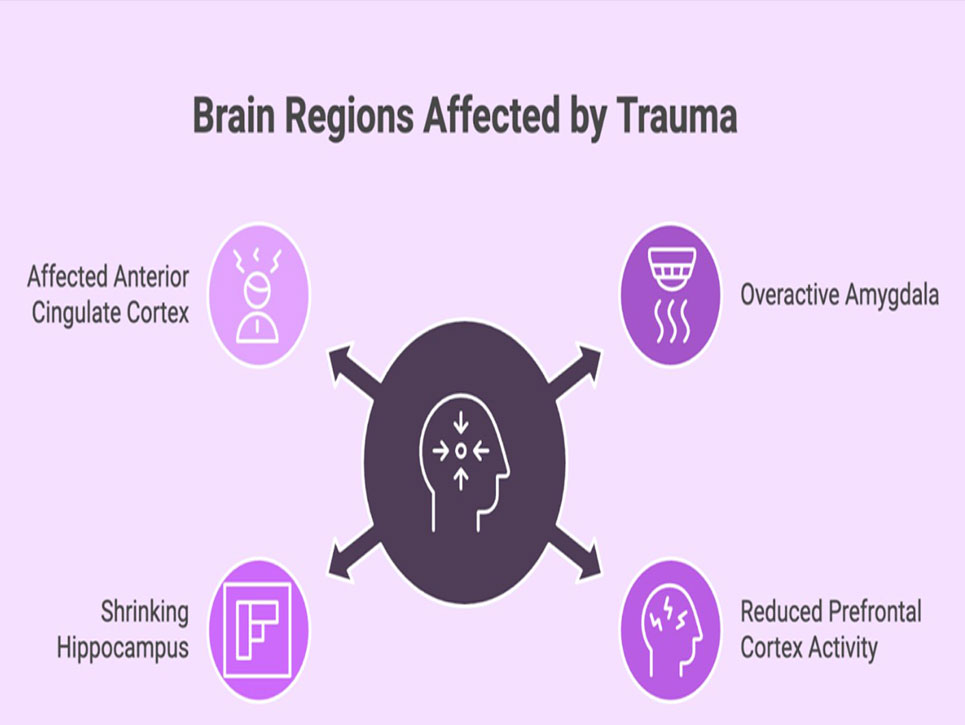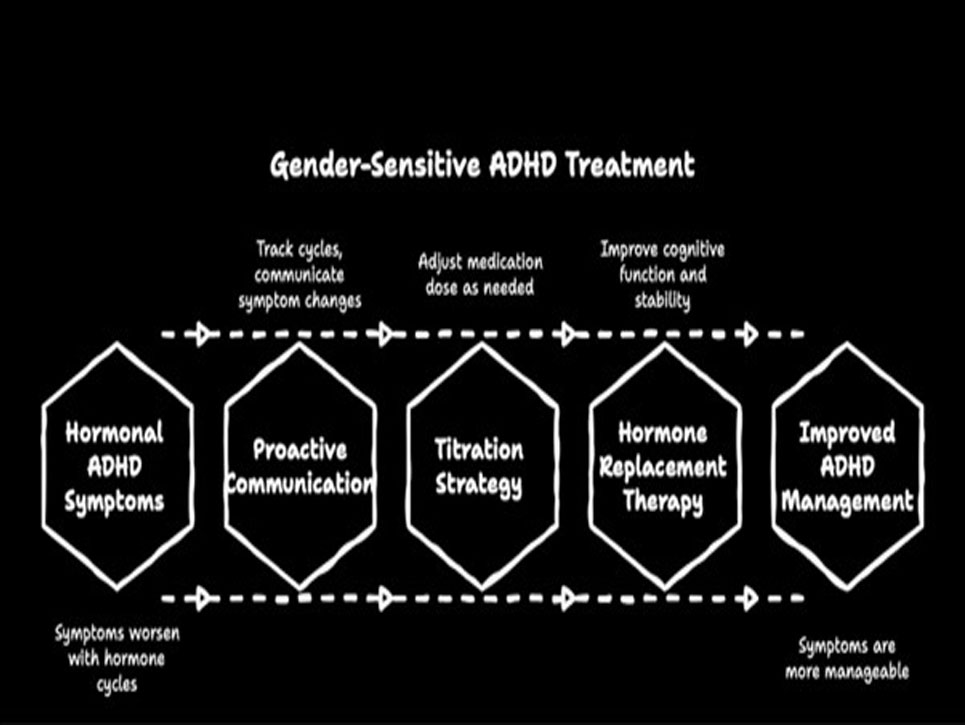
TL;DR
- Executive Dysfunction vs. Motivation: Adult ADHD is a chronic neurodevelopmental dysregulation of the executive system, not a deficit of willpower or character.
- The Intention-Action Gap: A fundamental impairment in cognitive gating creates a disconnect between knowing a task is important and neurological ability to initiate it.
- Interest-Based Nervous System: Attention is regulated by novelty, urgency, and emotional salience, rather than traditional hierarchical prioritizing.
- Emotional Amplification: Features like Rejection Sensitive Dysphoria (RSD) and rapid effect shifts are core symptoms, often requiring higher cognitive bandwidth for regulation than neurotypical brains.
- The Masking Paradox: High-achievers and women often utilize compensatory strategies that conceal the disorder, leading to late-life diagnosis and significant internal "burnout."
- The "ADHD Tax" & Social Cost: Untreated symptoms manifest as financial leakage, chronic performance variability, and asymmetrical relationship dynamics.
- Clinical Neurobiology: Rooted in the modulation of dopamine and norepinephrine pathways, affecting the brain’s ability to filter irrelevant stimuli (Gating Failure).
- Multimodal Recovery: Optimal outcomes require a combination of pharmacological support, executive scaffolding, and trauma-informed emotional regulation work.
Introduction: A Disorder Hidden in Plain Sight
Imagine carrying an invisible weight every single day, one that nobody else can see, one that no amount of effort or willpower can fully lift, and one that, for decades, you were told did not exist. This is the lived reality for millions of adults with Attention Deficit Hyperactivity Disorder (ADHD). Yet the condition remains profoundly misunderstood, underdiagnosed, and undertreated in the adult population worldwide.
For many adults, a diagnosis arrives late in life, sometimes in their forties, fifties, or sixties, often triggered by the diagnosis of their own child. The moment of recognition is almost always bittersweet: a profound relief at finally having a name for a lifetime of struggle, followed almost immediately by grief. Grief for the lost years, the fractured relationships, the missed opportunities, and the decades spent believing the problem was simply a personal failing. "I just thought I was lazy, " is something clinicians hear again and again. "I thought I was broken."
The clinical picture of adult ADHD is far more complex than its childhood counterpart, and it carries a burden that extends well beyond an inability to focus. It affects emotional regulation, physical health, financial stability, career trajectories, and the deepest fabric of personal relationships. Adult ADHD is not simply "being easily distracted." It is a complex, lifelong neurodevelopmental condition with roots in neurobiology, shaped by decades of unrecognized struggle, and carrying a cost that current research places at $122.8 billion annually in the United States alone.
If any part of what follows resonates, if you find yourself reading this with a growing, uncomfortable sense of recognition, that recognition matters. It may be the first step toward getting the answers you deserve. This article examines the full scope of ADHD's burden, and ends with a clear, practical path toward finding out, once and for all, whether ADHD is the explanation you have been searching for.
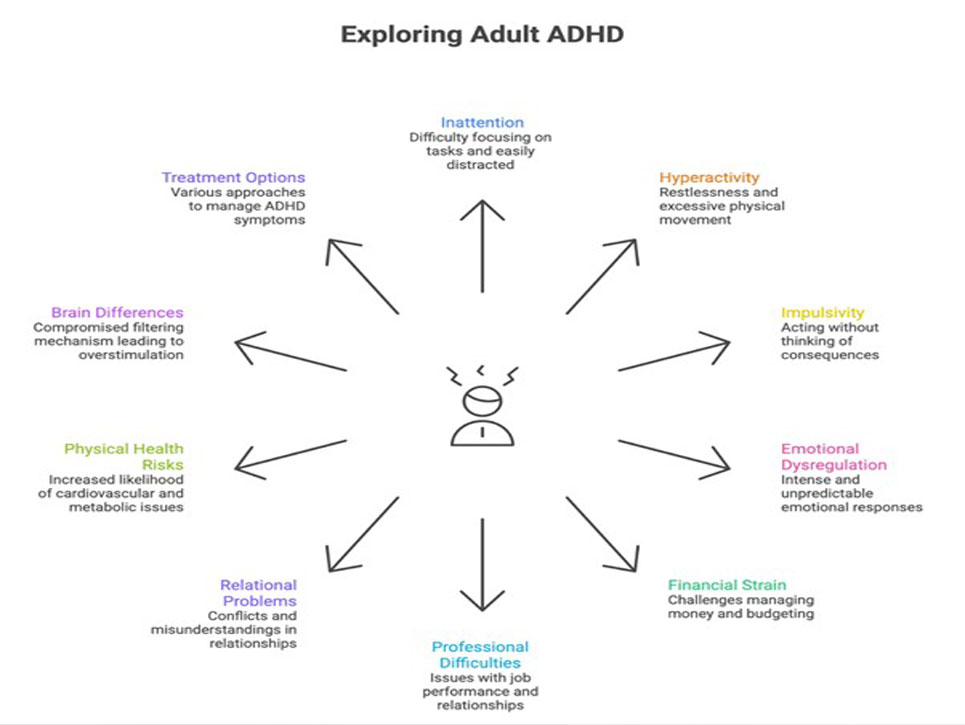
Part One: What Adult ADHD Actually Looks Like
Clinically, ADHD is defined through a classic triad: inattention, hyperactivity, and impulsivity. But in adults, each of these features transforms in ways that make the disorder far harder to identify, and far easier to dismiss, both by clinicians and by the individuals living with it. Adult ADHD affects between 3% and 6% of the global population, with 60% to 65% of childhood cases persisting into adulthood. Yet the condition remains significantly underdiagnosed precisely because its adult presentation looks so different from the restless, disruptive child most people picture when they hear the word ADHD.
Inattention in adults does not look like a child staring out of a classroom window. It shows up in the professional who is brilliant in meetings but cannot initiate the actual work afterward. It shows up in the pile of laundry that has been sitting unwashed for three weeks, the bill paid ten days late, the social plan forgotten entirely until a friend sends a hurt message asking where they are. It shows up in the person who genuinely cannot bring themselves to start a task, not because they don't care, not because they are lazy, but because the neurological mechanism that bridges intention and action is fundamentally impaired. Executive Dysfunction is the clinical term for this. For those living it, it can feel like being physically paralyzed in front of a task they desperately want to complete.
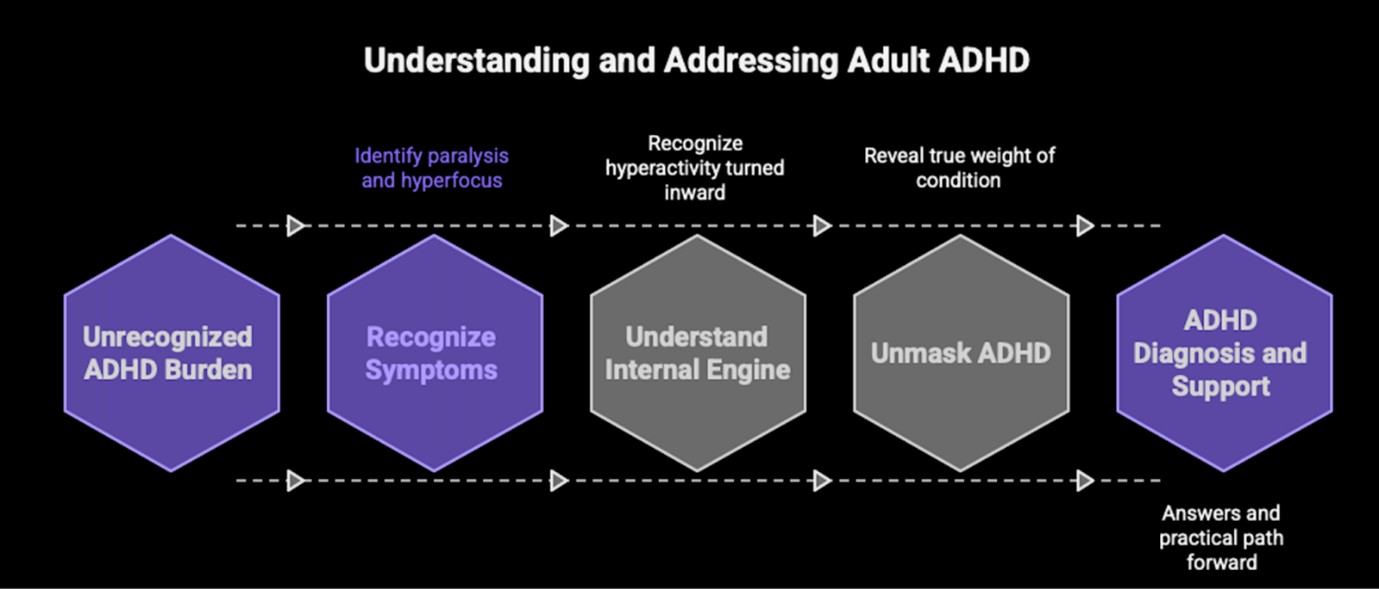
This paralysis, sometimes called "analysis paralysis" or "task initiation failure", is one of the most misunderstood and stigmatized features of adult ADHD. Paradoxically, the same individual who cannot start a routine work report may lose themselves entirely in a project that captures their interest, working for five or six unbroken hours in a state of intense, hyperfocused concentration. Both phenomena, paralysis and hyperfocus, arise from the same underlying neurobiology: a brain that regulates attention not by willpower, but by novelty, urgency, and emotional salience.
If you have spent years explaining away this pattern, the paralysis on some tasks, the total absorption in others, as laziness or inconsistency, you may be describing a neurological reality rather than a character flaw. A formal assessment can clarify this definitively.
The Internal Engine: Hyperactivity Turned Inward
In adults, hyperactivity rarely looks like running or climbing. Instead, it turns inward. It feels like a mind perpetually running at ten thousand revolutions per minute, a constant internal engine that will not switch off. One client described it as being unable to sit through a quiet evening without reaching for his phone, needing the television on at all times because silence itself felt unbearable, not for emotional reasons, but because his mind had no mechanism for quieting its own noise.
Externally, this internal restlessness manifests in social situations as pressured speech, interrupting others mid-sentence, jumping between topics in ways that leave conversation partners confused or overlooked. It shows up as an inability to complete a meal without getting up, a meeting without fidgeting, or a conversation without simultaneously composing a mental to-do list. The world does not see the engine. It sees only what it interprets as rudeness, impulsivity, or social carelessness.
This misreading of symptoms is compounded by the phenomenon known as "masking", the exhausting, often unconscious performance that adults with ADHD maintain to appear neurotypical. Many have spent decades developing rigid compensatory strategies: over-preparing for everything, arriving early as a substitute for reliable time perception, building elaborate organizational systems that take enormous effort to maintain. The mask often holds, until it doesn't. Under sustained adult pressure, the coping mechanisms that successfully hid the disorder through adolescence begin to crack, and the true weight of the condition becomes suddenly, overwhelmingly visible.
Part Two: The Emotional Core, What the Diagnostic Criteria Don't Fully Capture
Emotion Dysregulation: A Core Feature, Not a Complication
Perhaps the most underappreciated dimension of adult ADHD is its profound emotional component. Many adults with ADHD report intense, fast-changing emotions and a marked difficulty with self-control that has nothing to do with immaturity or poor character. Research confirms that emotion dysregulation affects 34% to 70% of adults with ADHD, and a growing number of clinical experts now argue that it should be recognized not as a comorbid condition, but as a core feature of the disorder itself. Within therapy rooms, this often sounds like: “I don’t understand why I reacted that strongly.” Our ADHD-informed therapy approach specifically addresses emotional regulation alongside executive functioning.
The clinical pattern is recognizable and specific. Individuals describe going from calm to furious or sobbing within minutes, often triggered by obstacles that would barely register for most people: traffic, a slow internet connection, a repeated question. There is a physiological reality behind this. Neuroimaging research shows that the ADHD brain demonstrates a greater amplitude of Late Positive Potential, meaning the brain must expend disproportionately large cognitive effort just to regulate an emotional response that a neurotypical brain handles automatically. Emotional regulation is not free for the ADHD brain; it is exhausting, effortful work undertaken every hour of every day.
The neurological underpinning involves the striato-amygdalo-medial prefrontal cortical network, the brain's architecture for processing emotional signals. In ADHD, this network shows specific dysfunction. The brain fails to process positive emotional signals early enough, leading to an over-perception of negative stimuli. The result is a brain biologically biased toward noticing the single critical comment in a sea of praise, experiencing that comment as outsized, and responding to it with a force that others find disproportionate and difficult to understand.
Rejection Sensitive Dysphoria: The Pain Nobody Talks About
Closely related, and even less widely understood, is Rejection Sensitive Dysphoria (RSD): an intense, often overwhelming emotional pain triggered by perceived or actual criticism, rejection, or the sense of having failed or disappointed someone important. The word "dysphoria" is chosen carefully. This is not ordinary disappointment or sadness. It is a sudden, physical-feeling wave of emotional pain that can be genuinely incapacitating, lasting from minutes to hours, and that bears very little relationship to the actual severity of the triggering event.
Emotional dysregulation is one of the most frequently missed dimensions of adult ADHD, and one of the most important to identify. A thorough assessment that includes an emotional symptom profile can reveal whether what you experience as a "mood problem" is actually an ADHD symptom in disguise.
The clinical consequences of RSD are significant. To avoid the risk of that pain, many adults with ADHD develop extreme people-pleasing behaviors, avoid situations where evaluation or judgment is possible, suppress their own needs and desires to pre-empt rejection, and withdraw from social situations as a protective measure. The cumulative effect on self-esteem, career ambition, and relationship functioning is substantial. Adults who have lived with unrecognized RSD for decades often arrive in clinical settings describing a persistent, low-level social terror, the constant surveillance of others' faces for signs of displeasure, the rehearsal of interactions before and after they happen, the exhausting vigilance of managing how they are perceived.
Additionally, adults with ADHD tend to use non-adaptive emotional regulation strategies. Instead of cognitive reappraisal, reconsidering the meaning of a difficult situation, they default to suppression, pushing difficult feelings down rather than processing them. The suppressed emotion does not disappear. It surfaces later, often in misplaced intensity, in contexts that seem entirely unrelated to the original trigger. While Rejection Sensitive Dysphoria is not a formal DSM diagnosis, it is a widely observed clinical pattern among adults with ADHD and increasingly recognised in specialist literature.
Part Three: The Hidden Costs, Financial, Professional, and Relational
The ADHD Tax: Counting What Cannot Easily Be Counted
Adults in ADHD communities have coined the term "ADHD Tax" to describe the financial penalty that accompanies the disorder, a levy paid not as a single large sum, but in a thousand small, humiliating increments. It is the late fees on bills that were not forgotten because of carelessness, but because of genuine working memory deficits. It is the impulsive purchase made in a moment of emotional dysregulation. It is the item bought to replace the item that was lost, the subscription cancelled too late, the speeding fine, the food ordered because executive dysfunction made cooking an impossible task that evening.
At the societal level, the numbers are staggering. The total economic burden of adult ADHD in the United States has been estimated at $122.8 billion annually. Critically, the largest component of that figure is not healthcare costs, which account for only 11.6% of the total. The dominant costs are unemployment (54.4%) and productivity loss, the state of being physically present at work while being functionally unable to perform. Men with ADHD are 2.1 times more likely to be unemployed than those without the condition. The disorder does not fail people because it makes them incapable of talent or intelligence. It fails them in the infrastructure of professional life: meeting deadlines consistently, managing time without external structure, and sustaining the administrative demands of employment.
Beyond the financial burden is the career cost of living in a system not designed for ADHD brains. Many adults describe a pattern of sudden, high-performing starts in roles that offer novelty and stimulation, followed by a gradual fade as the work becomes routine and the executive demands accumulate. The brilliance that secured the position becomes invisible behind the growing pile of unfinished administrative tasks. Performance reviews focus on the latter. The result is a professional trajectory defined not by a lack of ability, but by a mismatch between how the ADHD brain works and what the modern workplace demands.
The Relational Shadow: When ADHD Enters a Partnership
The relational costs of adult ADHD are perhaps the most acutely painful. When ADHD is undiagnosed and unmanaged within a relationship, a predictable and damaging dynamic tends to emerge. The partner without ADHD gradually absorbs more and more of the organizational and emotional labor, making the appointments, remembering the social commitments, managing the household logistics, becoming the external scaffold for their partner's executive function. Over time, this creates a deeply asymmetrical relationship that neither partner fully understands and that both experience as deeply unfair.
The cost of not knowing is real and ongoing. For many adults, a diagnosis, and the support that follows, represents not just psychological relief, but a measurable improvement in professional and financial function. The sooner the picture is clear, the sooner things can change.
The non-ADHD partner begins to feel invisible, unvalued, and exhausted. They may become increasingly resentful, parental in their communication, and eventually emotionally detached. The person with ADHD, sensitive to any perceived criticism and shame-laden around their own failures, often responds with defensiveness, withdrawal, or a counter-accusation of nagging. What clinicians call the "parent-child dynamic" takes hold, and genuine intimacy becomes increasingly difficult to sustain.
Research has documented what practitioners observe daily in couples therapy: the mental health of non-ADHD partners measurably declines in long-term relationships with untreated ADHD. They frequently become what clinicians describe as the "identified patient", the person seeking help for stress, anxiety, and depressive symptoms that are, at root, the accumulated emotional weight of an unrecognized relational dynamic. Naming the underlying ADHD is, in many cases, the single intervention most capable of shifting this dynamic, not by assigning blame, but by replacing confusion with clarity.
Part Four: The Diagnostic Challenge, Why So Many Adults Are Still Missed
The Masking Problem and the High-Achiever Paradox
One of the most persistent misconceptions about ADHD is that professional success or high intelligence rules it out. The evidence says the opposite. A study of undergraduate medical students found that 34.8% screened positive for undiagnosed ADHD, a striking figure among a population selected precisely for academic achievement. Among this group, the inattentive subtype predominated at 72.3%, meaning the most common presentation was not disruptive hyperactivity, but quiet, internal struggle hidden behind competence.
High intelligence does not prevent ADHD. It provides more sophisticated tools for masking it. For decades, high-achieving individuals develop increasingly elaborate compensatory strategies, meticulous over-preparation that takes three times longer than it should, rigid routines that provide external structure for a brain that cannot generate its own, relentless perfectionism as a hedge against the chaos that lurks beneath. These strategies work, until they don't. The "mask" slips most commonly under cumulative life pressure: major illness, bereavement, relationship breakdown, or organisational restructuring. The scaffolding collapses, and suddenly the individual who has managed a successful career realises they have been riding an invisible unicycle their entire working life. Many founders and corporate leaders are misdiagnosed with “burnout” repeatedly, when the underlying pattern is untreated ADHD interacting with high-demand environments.
The Gender Gap: Women and the Inattentive Mask
The diagnostic gap is most acute for women. Traditional ADHD assessment developed around the predominantly male, hyperactive-impulsive presentation that is most visible and most disruptive in classroom settings. Women with ADHD tend to present primarily with inattentive symptoms, the internal struggle with task completion, the overwhelming cognitive load of managing competing demands, the social masking made possible by learned patterns of politeness and accommodation. These symptoms are quieter. They do not disrupt. They are, consequently, far easier to miss.
Research on undiagnosed ADHD prevalence has found higher rates in women than in men in general population samples, precisely because women are more likely to go unscreened. Many women who have managed adequately through earlier adulthood report dramatic deterioration during perimenopause, when declining estrogen levels appear to reduce the efficacy of the dopamine pathways that have been compensating for ADHD throughout their lives. For many, a diagnosis in their forties or fifties arrives not because the disorder is new, but because the biological buffers that concealed it for decades have finally been depleted.
In India, many women are socialised to overcompensate through perfectionism and emotional caretaking. These adaptive strengths often mask inattentive ADHD for decades, until marriage, motherhood, or career escalation overwhelms the coping system.
Comorbidity: The Diagnostic Fog
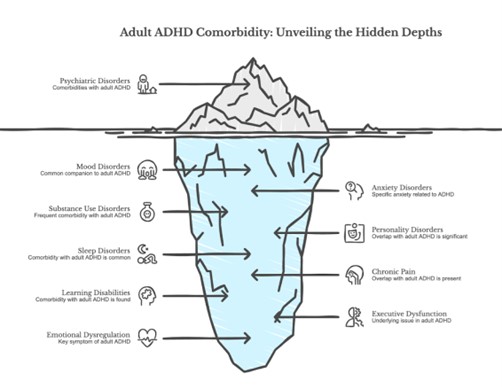
Adult ADHD is comorbid with other psychiatric disorders in up to 80% of cases. The most common companions are mood disorders, anxiety disorders, substance use disorders, and personality disorders, but the overlap extends further, including sleep disorders, chronic pain, and learning disabilities. This profound comorbidity is both clinically understandable and diagnostically treacherous.
Have you always worked harder than your peers to achieve the same results, and assumed this was just who you are? That extra effort may have been masking something that has a name, and a treatment. It is worth finding out.
Among patients presenting with Major Depressive Disorder, studies have found that nearly 20% screen positive for ADHD traits, compared to 4% in the general population. When the underlying executive dysfunction and emotional dysregulation of ADHD remain unaddressed, depression is notoriously resistant to standard treatment. The patient returns again and again, the therapeutic interventions providing only partial and temporary relief. Clinicians should maintain a high index of suspicion for ADHD in any patient presenting with treatment-resistant depression, particularly when symptoms of mind-wandering, chronic disorganisation, or time perception difficulties persist after mood stabilises.
The comorbidity with anxiety is similarly important. The anxiety of adult ADHD has a specific quality, it is often the anxiety of perpetual anticipation of failure, the constant monitoring for signs that the mask is about to slip, the hypervigilance of a person who has learned through decades of experience that they are likely to forget something important. Treating only the anxiety without addressing its neurological substrate provides at best partial relief. This is precisely why a rigorous, multi-dimensional assessment, one that looks beyond the headline diagnosis to the full clinical picture, is so valuable.
The Diagnostic Process: What Good Assessment Looks Like
Diagnosing adult ADHD is genuinely complex. There is no single laboratory test, no definitive biomarker. Adults have typically developed sophisticated compensation strategies that can obscure symptoms even in clinical settings. The diagnostic process requires a comprehensive clinical interview covering both current symptoms and childhood history, validated self-report scales, collateral information from family members or partners where available, and thorough assessment for differential diagnoses and comorbid conditions.
A critical and often overlooked challenge is the state-dependent nature of memory in ADHD. Individuals frequently find it genuinely difficult to recall the extent of their struggle during periods when they are relatively well-managed. This can lead to inadvertent minimisation during assessment, particularly when patients are seen during periods of relative stability or high structure. A skilled assessor knows how to navigate this, using structured, validated instruments and careful clinical interviewing to build a picture that the individual alone may struggle to articulate coherently. You can read more about Assessments here https://coachformind.com/adhd-assessment.php
It is important to note: ADHD cannot be diagnosed based on a single symptom, a viral checklist, or a few relatable social media posts. Many conditions, including trauma, chronic stress, sleep deprivation, thyroid disorders, and mood disorders, can mimic ADHD. This is precisely why comprehensive assessment matters.
Part Five: The Body Pays the Price, Physical Health Risks of Untreated ADHD
The conversation about adult ADHD has historically been framed almost entirely in terms of cognitive and behavioural function. But emerging evidence indicates that the physical health burden of untreated ADHD is substantial, and largely invisible in public discourse about the disorder.
At the behavioural level, adults with ADHD are significantly more accident-prone than their neurotypical peers, with systematically higher rates of fractures, lacerations, and accidental poisonings. The impulsivity and attentional lapses that manifest cognitively as poor planning manifest physically as environmental accidents, the moment of inattention while driving, the impulsive physical action taken without considering consequences, the medication taken incorrectly because the label was not read carefully enough.
Beyond injury risk, untreated ADHD is increasingly recognised as a gateway to chronic physical illness. The combination of impulsivity-driven health behaviours, poor dietary regulation, inconsistent sleep, irregular exercise, substance use as self- medication, and the chronic physiological stress of sustained emotional dysregulation creates a cumulative biological burden. Links between untreated ADHD and elevated risk for cardiovascular disease, hypertension, metabolic syndrome, and obesity are emerging in longitudinal research.
Sleep architecture is particularly affected. The majority of adults with ADHD, estimated at around 70%, experience significant sleep difficulties. ADHD-related sleep disruption has a specific neurological character, driven in part by the Default Mode
If you have tried to describe your struggles to a doctor and found yourself leaving the appointment feeling dismissed, or finding that the words simply did not come out right, you are not alone. This is a known feature of ADHD. A specialist assessment is designed precisely to account for it.
Network (DMN), the brain's resting state network that in neurotypical individuals quiets during sleep. In the ADHD brain, the DMN frequently remains active, generating the stream of unrelated thoughts, plans, worries, and memories that people with ADHD describe as nocturnal rumination, the mind refusing to switch off at the precise moment when the brain should be preparing for rest. Chronic sleep deprivation worsens every dimension of ADHD, creating a vicious cycle in which the disorder makes sleep harder, and sleep deprivation makes the disorder worse.
Part Six: Understanding the ADHD Brain, Beyond Dopamine
The popular explanation for ADHD, "it's a dopamine problem", is not wrong, but it is significantly incomplete. The neurochemical architecture of ADHD involves a multi- modular imbalance across dopamine, norepinephrine, and glutamate signalling systems. These systems collectively govern the brain's ability to regulate attention, prioritise tasks, modulate emotional responses, and generate motivation for activities that do not offer immediate, intrinsic reward.
A particularly useful framework for understanding adult ADHD is what some researchers describe as a "gating failure."
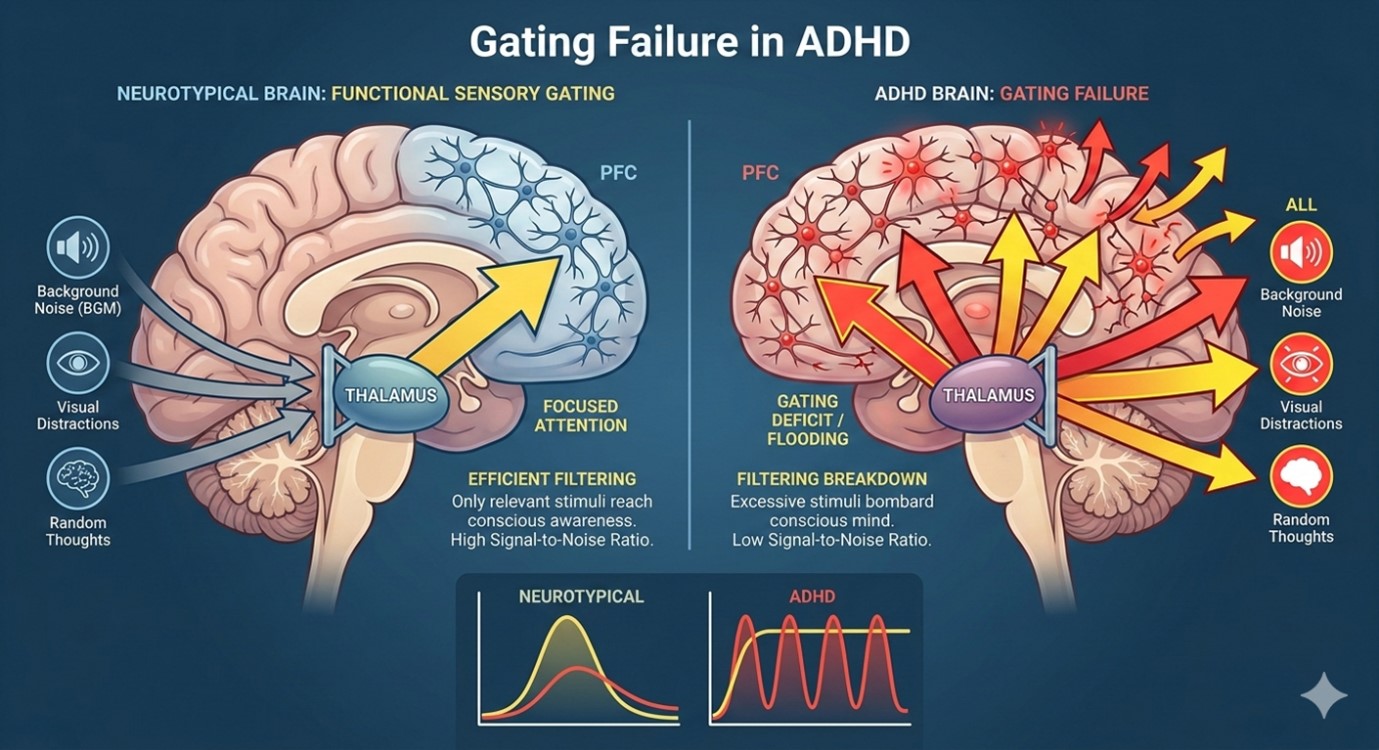
A neurotypical brain operates with an effective filtering mechanism: irrelevant stimuli, background noise, peripheral visual movement, tangential thoughts, are continuously down-regulated, allowing sustained attention to a prioritised task. In the ADHD brain, this filtering mechanism is significantly compromised. Every stimulus competes for attention at roughly equal volume. This is sometimes described by those who live with it as experiencing everything at "loudness level ten", the hum of the air conditioning as loud as the voice of the person they are trying to listen to, the thought about dinner as loud as the report they are trying to write. You can read more here
This is not laziness, and it is not a failure of character. It is the literal, biological experience of a brain attempting to function without adequate dopaminergic gating. This is why the "glasses for the brain" analogy has such resonance in ADHD communities. Nobody tells a myopic person to try harder to see clearly. The problem is not willpower; it is optics. Treatment, whether pharmacological, psychological, or structural, functions analogously: not by changing personality or creating artificial capacity, but by correcting a deficit that allows the brain's existing capabilities to be expressed.
Part Seven: Treatment, Building a Life That Works With the ADHD Brain
The First Priority: Meeting the Person Where They Are
Adults with ADHD arrive in clinical settings already exhausted. They have, in most cases, spent years or decades carrying a neurological burden without either recognition or tools, often in the context of significant shame about the accumulation of apparent failures. The therapeutic relationship begins, therefore, not with a treatment protocol but with validation: seeing and naming the real effort that has been expended, acknowledging the genuine difficulty of the struggle, and separating the person's character from the symptoms of their neurology.
Executive function difficulties can make it especially challenging for clients to narrate their experience in a linear, organised way, and to follow complex explanations or multi- step instructions. Effective early-stage clinical work adapts to this reality. It is concrete, structured, and short in its demands on sustained attention. Early sessions focus on building a "regulation toolkit": simple, repeatable exercises for physical and emotional regulation, strategies for breaking large tasks into smaller initiated steps, and the introduction of external scaffolding tools, digital reminders, visual organisational systems, body doubling practices, that compensate for impaired internal executive architecture without demanding that the brain perform functions it is neurologically impaired in generating.
Pharmacological Treatment: Correcting the Deficit
For many adults with ADHD, appropriately prescribed pharmacological treatment is transformatively effective. Stimulant medications act primarily by increasing the availability of dopamine and norepinephrine in the prefrontal cortex, the region most central to executive function and attentional regulation. Common fears about stimulant medication, that it is dangerous, addictive, or chemically equivalent to illicit substances, are not supported by evidence. For individuals with genuine dopaminergic deficits, stimulant medication does not produce a high; it produces something that patients often describe simply as "normal", a quiet mind, the ability to begin a task without monumental internal effort, a reduction in the emotional volume that has characterised their entire experience.
Evidence actually suggests that appropriate pharmacological treatment of ADHD reduces, rather than increases, the risk of substance use disorders, by providing the neurological regulation that self-medication through alcohol and other substances has been attempting, unsuccessfully, to achieve. Medication is, however, neither the only nor always the first line of treatment. Careful sequencing of interventions is required, particularly where comorbid conditions exist, and a specialist assessment is the essential prerequisite for any pharmacological decision.
Psychological and Behavioural Approaches
Psychological intervention for adult ADHD has evolved significantly beyond basic behavioural modification. Cognitive Behavioural Therapy adapted for ADHD focuses specifically on executive function deficits: developing planning and organisational skills, addressing the cognitive distortions, particularly shame-based self-perception, that develop over years of unrecognised struggle, and building strategies for emotional regulation that move beyond suppression toward genuine processing.
In clinical practice, effective ADHD therapy uses trauma-sensitive principles in its approach to emotion, recognising that many adults with ADHD carry a genuine trauma history shaped by years of misunderstanding, punishment for neurological symptoms they could not control, and the accumulated weight of self-blame. As therapy progresses, working with these experiences requires both naming and regulating the emotional responses they evoke, using approaches that respect the specific ways in which ADHD affects memory, narrative coherence, and emotional processing.
Trauma-Informed, Somatic, and Executive Function Approaches: Why They Matter Together
Psychological treatment for adult ADHD increasingly recognizes that symptoms and life history are inseparable, and that many adults arrive with trauma-like burdens from years of being misunderstood and punished for undiagnosed ADHD. Intervention for adult ADHD has evolved far beyond checklists and time management tips. For many adults arriving at a clinic or therapy room, the first and most important thing to understand is this: ADHD does not exist in isolation from the life that has been lived with it.
Adults with ADHD report high rates of childhood emotional neglect/abuse and maltreatment, which strongly predict worse emotional dysregulation and poorer wellbeing. But even in the absence of overt abuse, there is often something more cumulative and insidious: chronic misattunement. Being repeatedly corrected for traits that were neurological. Being compared to siblings. Being labelled careless, dramatic, lazy, or “too sensitive.” Over time, these experiences do not just shape behaviour, they shape identity.
Decades of undiagnosed ADHD leave a trail of experiences that, by any clinical definition, qualify as adverse. Repeated failure in environments that expected neurotypical performance. Chronic shame, relationships strained by misunderstandings neither party could name, punishments, explicit or implicit, for symptoms that were never recognised as symptoms.
From a therapist’s perspective, what becomes visible over time is that many adults with ADHD are not simply struggling with attention. They are carrying an attachment history with authority, evaluation, and expectation. These experiences are not just difficult memories. They are stored in the body and the nervous system like the flinch before opening an email or tightness in the chest when discussing unfinished tasks. The collapse that follows perceived criticism. These are physiological echoes of repeated overwhelm. They shape how a person responds to the very act of trying to engage with treatment.
This is why a trauma-informed foundation is not optional in ADHD therapy - it is critical. A trauma-informed approach means, at its core, that the therapist understands the presenting person not through the lens of deficit or non-compliance, but through the lens of adaptation. The avoidance, the shutdown, the apparent resistance to engaging with therapeutic exercises, these are not failures of motivation. They are a nervous system doing exactly what it learned to do to survive years of chronic overwhelm.
Clinically, this often means recognising shifts in arousal in real time. A client who suddenly goes quiet when discussing goals may not be disengaged, they may be in dorsal vagal shutdown. A client who becomes defensive during feedback may not be oppositional, they may be in sympathetic activation, bracing against anticipated shame. When we respond with attunement and pacing, we widen the window of tolerance.
A trauma-informed stance therefore treats these reactions as adaptive nervous-system responses, normal in context, and works to create safety, collaboration, and validation rather than pressure or blame. Qualitative work shows that feeling understood, believed, and “less alone” is central to change in ADHD interventions, particularly when emotional dysregulation is present. When the nervous system feels safe, executive function becomes more accessible.
Standard CBT and skills-based approaches are effective for core symptoms and associated depression/anxiety, but have often been built on deficit-focused views of ADHD. When these models are applied without sensitivity, clients can experience them as yet another corrective framework, another system they are expected to perform within. Newer, neuroaffirmative and Self-Determination Theory–based interventions explicitly prioritize identity, autonomy, and quality of life rather than just symptom reduction. This shifts the core question from “How do we fix this behaviour?” to “How do we support this person’s agency and capacity within their neurobiology?” This approach recognises that sustainable change in ADHD treatment comes from reducing shame, increasing self-trust, strengthening regulation capacity, and building scaffolding that works with the nervous system. In other words, trauma-informed, somatic, and executive approaches are not parallel tracks. They are interdependent. Regulation makes strategy usable. Safety makes effort sustainable. Identity repair makes progress meaningful.
The Role of Somatic Work
Somatic approaches occupy a particularly important place in ADHD treatment, and they remain significantly underused. The ADHD nervous system is a body-based phenomenon, not merely a cognitive one. Emotional dysregulation, as explored earlier in this article, has a distinct physiological signature: the racing heart, the chest tightness, the sudden flood of heat that accompanies a surge of rejection-sensitive pain, the physical heaviness of executive dysfunction paralysis that can render a person unable to rise from a chair despite every conscious intention to do so.
Somatic therapy works with these body-based experiences directly. Rather than asking the client to cognitively reframe a distressing response , an approach that requires exactly the kind of top-down executive regulation that the ADHD brain struggles most to access when dysregulated , somatic work anchors intervention in the body first. Breath-based regulation techniques, grounding practices, movement, and attention to physical sensation help the nervous system discharge the activation it is carrying before cognitive work becomes accessible. In practice, this means that the client who arrives at a session flooded with shame about a missed deadline is not immediately handed a planning worksheet. They are first helped to regulate , to return to a window of tolerance from which executive function strategies can actually be received and used.
Body doubling , the well-documented ADHD phenomenon in which the physical presence of another person dramatically improves task initiation and completion , is itself a somatic intervention, even when it is not labelled as such. It works because the regulated nervous system of another person co-regulates the dysregulated ADHD nervous system. Understanding this mechanism helps both clients and clinicians take it seriously as a legitimate tool rather than dismissing it as an odd quirk.
Executive Function Coaching as a Clinical Partner
Executive function work, when it is done well, is not about imposing neurotypical organisational systems onto a brain that cannot sustain them. It is about understanding the specific profile of executive impairments for each individual , because executive dysfunction in ADHD is not uniform , and building bespoke scaffolding that compensates for the precise gaps that a person experiences. For one individual, the primary deficit is in task initiation; for another, it is in working memory; for a third, it is in time perception. The strategies that support each are different, and applying a generic productivity framework to all three is the equivalent of prescribing the same glasses prescription to everyone who cannot see clearly.
Effective executive function support includes breaking goal-directed tasks into the smallest possible initiated steps, externalising memory through visual and auditory systems so the burden is not held internally, using implementation intentions (the "when-then" planning structure) to bridge the gap between intention and action, and building routines that reduce the daily decision load on an already overtaxed system. These interventions are most effective when they are introduced within a relational context that normalises difficulty and celebrates incremental progress rather than demanding the full performance of a neurotypical standard.
Effective ADHD treatment is not a single modality. It is the integration of body-based regulation, executive scaffolding, and trauma-sensitive relational work , tailored to the specific person in front of you. This is the standard that assessment and treatment at Coach For Mind is built around.
The Grief Work: Processing the Lost Years
For adults who receive a diagnosis late in life, a specific and important therapeutic task emerges: the grief of the lost years. This is real mourning, for the version of their life that might have existed if the disorder had been recognised and supported earlier, for the relationships that did not survive the relational shadow of unmanaged ADHD, for the career trajectory that never reflected their actual capability, for the years of self- accusation that were neurologically unjust.
The re-contextualisation that follows is not about excusing present behaviour or abandoning accountability. It is about accuracy. The person who repeatedly forgot to pay bills was not irresponsible; they were operating with a working memory buffer that was genuinely impaired. The person who changed jobs repeatedly was not flaky or uncommitted; they were a brain seeking the stimulation required to sustain engagement. The person who sobbed in response to a minor criticism was not emotionally immature; they were experiencing a neurologically amplified emotional signal. Accuracy is the foundation of both self-understanding and effective change.
Conclusion: From Recognition to Action
Adult ADHD is not a trend, a convenient explanation for ordinary human limitation, or a disorder that well-adjusted people outgrow. It is a biologically based, lifelong neurodevelopmental condition that affects cognitive, emotional, relational, and physical functioning in ways that are both profoundly individual and systematically recognised in the clinical literature. It carries an economic burden measured in the hundreds of billions. It shapes the intimate architecture of families and relationships. It disproportionately and silently affects women, high-achievers, and anyone whose combination of intelligence and compensatory capacity has been mistaken for the absence of a problem.
The good news, and it is genuine good news, is that it is also highly treatable. With accurate diagnosis, appropriately sequenced intervention, and the patient work of building external scaffolding that supports rather than fights the brain's actual architecture, adults with ADHD can move from shame and chaos toward clarity, self- knowledge, and genuine functional wellbeing. Not perfection. Not the erasure of neurological difference. But the quiet, transformative experience of a life lived in understanding rather than bewilderment.
For those who have read this article with a growing sense of recognition, for those who have found themselves nodding at descriptions of executive dysfunction, paralysis, emotional dysregulation, the endless exhaustion of masking, or the grief of the lost years, that recognition is not nothing. It is, in fact, the most important first step. The next step is finding out.
Take the Next Step
Get a Comprehensive ADHD Assessment at Coach For Mind
If the experiences described in this article feel familiar, if you have spent years wondering whether the struggle is normal, whether you are simply not trying hard enough, or whether there might be a neurological explanation for patterns you have never been able to fully explain, you do not have to keep wondering. A proper, thorough assessment can give you the clarity that years of self-questioning cannot.
At Coach For Mind, adult ADHD assessments are conducted with the depth and rigour that this diagnosis deserves. Comprehensive models emphasise: multi-stage evaluation (screening scales, in-depth clinical interview, collateral information, validated tools with validity checks) rather than quick checklists; focus on lifetime symptom patterns, functional impact, and compensatory strategies that can hide ADHD in “high-functioning” adults.
Importantly, assessment is not only about confirming ADHD. It is about careful differentiation. Many conditions can mimic ADHD symptoms, including trauma-related hypervigilance, chronic stress, anxiety disorders, sleep disturbances, thyroid dysfunction, substance use, and mood disorders. A responsible evaluation actively considers and rules out alternative explanations before arriving at a diagnosis.
Assessments are based on the DIVA 5 (Diagnostic Interview for ADHD in Adults, 5th Edition), the gold standard structured clinician‑administered diagnostic interview that systematically covers
- Childhood symptom history (because ADHD is neurodevelopmental)
- Adult presentation
- Age of onset
- Cross-setting impairment (work, academics, home, relationships)
- Functional impact, not just symptom presence
DIVA‑5 has shown high diagnostic accuracy in adults, with sensitivities and specificities above 90%, making it one of the most reliable tools currently available for adult ADHD diagnosis. Where appropriate, additional validated rating scales may be used to assess executive functioning, emotional regulation, and comorbid conditions such as anxiety or depression. This layered approach ensures that we are evaluating the whole clinical picture.
Crucially, these assessments incorporate a dedicated emotional component so that ADHD‑related experiences such as emotional dysregulation, intense mood shifts, rejection sensitivity, and chronic feelings of being “too much” or “not enough” are fully captured. This matters because, as this article has explored, emotional symptoms are among the most common and most overlooked features of adult ADHD. An assessment that does not account for them risks missing the diagnosis entirely.
The process typically includes:
- A structured diagnostic interview
- Developmental history exploration
- Functional impairment mapping
- Screening for differential diagnoses
- A detailed feedback session
- A written clinical summary with diagnostic impressions and next-step recommendations
The discussion session is an essential part of the process. We review findings collaboratively, answer questions, and outline treatment options tailored to your presentation. Whether the outcome confirms ADHD or points toward a different explanation, the goal is clarity, not labeling.
Assessments at Coach For Mind are available both online and in-person, so geography is no barrier. Whether you are in the early stages of wondering whether ADHD might apply to you, or you have suspected it for years and simply never had access to a pathway to formal assessment, the team is equipped to guide you through the process clearly, compassionately, and thoroughly.
You do not need to arrive with certainty. You simply need to arrive. A good assessment will do the rest.
References & Research Basis
This article draws on a synthesis of peer-reviewed research and clinical literature, including:
- ADHD in Adulthood: Clinical Presentation, Comorbidities, and Treatment Perspectives. PMC12652008.
- The Burden of ADHD Traits in Adult Patients with Major Depressive Disorder in Japan. PMC10162103.
- The Hidden Burden of Undiagnosed ADHD Among Medical Students in Pakistan. PMC12436753.
- ADHD in Adults: Evidence Base, Uncertainties and Controversies. PMC12434367.
- Prevalence of Undiagnosed Attention Deficit Hyperactivity Disorder. PubMed 39830803.
- Economic Burden of ADHD Among Adults in the United States. PMC12128943.
- A Review of the Economic Burden of ADHD. PMC1180839.
- Skills and Compensation Strategies in Adult ADHD, A Qualitative Study. PMC5617155.
- Evidence of Emotion Dysregulation as a Core Symptom of Adult ADHD. PMC9821724.
- Emotional Dysregulation and Attention-Deficit/Hyperactivity Disorder. PMC4282137.
Why Choose CoachForMind for Your Healing Journey?
At CoachForMind, we understand the unique experiences that you go through as you consider and start your journey with therapy.
Experienced and Licensed Psychologists: We are a team of licensed RCI-registered (Rehabilitation Council of India) mental health therapists in Gurgaon. Our team is well-experienced in various forms of therapies such as CBT, IFS, DBT, EMDR, Somatic and Narrative Therapy. Our expertise is verifiable, and our commitment to ongoing training ensures we deliver the most current and effective treatments. We also offer offline mental health sessions in gurgaon
Personalized, Client-Centered Approach
We are dedicated to treating our clients in the best-suited way, carefully curated as per the client's needs, and adhering to one-on-one, client-centered therapy. Every individual is different and every story is unique. We move beyond a one-size-fits-all model to create a safe, non-judgmental space where genuine healing can occur.
Scientific, Evidence-Based Techniques
Our treatment plans and therapeutic methods are based on highly researched scientific findings such as Cognitive Behaviour Therapy, Narrative Therapy, and Dialectical Behaviour Therapy. We believe in transparency and utilizing methods that have been proven effective in treating trauma. Our goal is to empower our clients, making them the authors of their own stories rather than passive recipients of a diagnosis.
Quality Service Grounded in Empathy
We at CoachForMind ensure quality services in our treatment regime and therapeutic approaches. Our clients hold most value to us, so we ground our techniques in empathy while maintaining the highest level of professionalism and confidentiality. We help you slow down the inner chaos so you can finally listen to what the masked trauma has been trying to tell you.
Begin with a free 15-minute discovery call For more information, please visit our website or contact us directly at coachformind@gmail.com
Written by Kudrat: Clinical Psychologist at Coach For Mind
FAQs
This is one of the most important questions to sit with , because laziness and ADHD are not the same thing, even though they can look identical from the outside.
Laziness, in the traditional sense, implies a choice: the option to act exists, and the person simply declines it. ADHD executive dysfunction is different at a neurological level. The person wants to act. They may be sitting at their desk, fully intending to begin, and find themselves physically unable to initiate , not because they have decided against it, but because the brain's mechanism for bridging intention and action is genuinely impaired. The task feels like pushing against a locked door with no handle. In therapy, many adults describe this as “screaming internally to move, but not being able to.”
The distinction matters because shame about laziness, accumulated over years, is one of the primary reasons adults with ADHD do not seek assessment. They have internalised the narrative that the problem is character rather than neurology. If you have a lifelong history of inconsistent performance , excelling in high-interest or high-urgency tasks while struggling inexplicably with routine ones , combined with a persistent sense that you are working twice as hard as everyone else for the same result, that pattern deserves proper clinical evaluation.
At Coach For Mind, assessment begins without assumptions. The DIVA 5 interview is structured to explore exactly this history , separating what is neurological from what is situational, and giving you an accurate answer rather than another layer of self-doubt. Visit www.coachformind.com to find out more.
In most cases, yes.
This is a question clinicians hear frequently, and the underlying fear behind it is understandable: what is the point of naming something now, when so much of life has already been lived? The answer is that a diagnosis at any age does three things that cannot be achieved without it. It replaces decades of self-blame with neurological understanding. It opens access to treatment , pharmacological, psychological, and structural , that can meaningfully improve daily functioning. And it provides a framework for re-contextualising the past: the lost jobs, the strained relationships, the financial chaos, the social missteps , not as evidence of personal failure, but as the predictable consequences of an unrecognised condition.
Many adults who receive a late diagnosis describe the experience as one of profound relief, followed by a period of grief for the years spent in the dark. Both responses are valid, and both are important to work through. But the relief, the clarity, and the access to support that follow are consistently reported as life-changing , regardless of age. Neuroplasticity continues across the lifespan. Regulation and executive capacity can improve significantly with appropriate support, even later in life.
Professional success does not rule out ADHD. In many cases, it actively conceals it.
A study of undergraduate medical students found that nearly 35% screened positive for undiagnosed ADHD , a population selected for precisely the kind of academic achievement that is assumed to exclude the diagnosis. High intelligence and professional competence do not prevent ADHD; they provide more sophisticated tools for masking it. For decades, high-achieving individuals build increasingly elaborate compensatory systems: working longer hours than peers to produce the same output, developing rigid routines that substitute external structure for internal executive function, deploying perfectionism as a buffer against the chaos that exists just beneath the surface.
Coach For Mind works specifically with adults across a wide age range, including those receiving a first diagnosis in midlife and beyond. Online and in-person options are available at www.coachformind.com.
What clinicians observe again and again is that the mask holds , until it doesn't. Bereavement, a major health event, organisational restructuring, or the cumulative weight of sustained overcompensation eventually causes the scaffolding to fail. The person who has successfully performed their way through decades of unrecognised ADHD suddenly finds that the strategies which worked are no longer sufficient. This is not deterioration. It is the natural limit of a system that was never designed to be sustainable.
If you have always worked harder than seems necessary to produce results that appear ordinary , and you have assumed this was simply how things are, it may be time to find out whether that extra effort has a neurological explanation. www.coachformind.com
This is not a personality flaw or an emotional immaturity problem. It is very likely a neurological one.
Emotion dysregulation affects between 34% and 70% of adults with ADHD, and it is one of the most underdiagnosed features of the condition. The ADHD brain shows a specific dysfunction in the neural circuits responsible for processing and moderating emotional signals , particularly the striato-amygdalo-medial prefrontal cortical network. This means the brain fails to down-regulate emotional responses that a neurotypical system would process more quietly. Small frustrations hit with the force of major ones. Criticism , even mild and well-intentioned , can land with devastating intensity.
Many adults with ADHD also experience what is known as Rejection Sensitive Dysphoria (RSD): an intense, rapid-onset emotional pain triggered by the perception of criticism, rejection, or failure. This is not sensitivity in the ordinary sense. While Rejection Sensitive Dysphoria is not a formal DSM diagnosis, it is widely observed in specialist ADHD practice. It is a neurologically amplified emotional signal that can be genuinely incapacitating. Importantly, many people with ADHD who have been told they have depression, anxiety, or a mood disorder are actually experiencing emotional dysregulation as the primary driver , and treating only the mood disorder without recognising the underlying ADHD typically produces only partial, temporary relief.
It is possible , and clinically more common than most people realise.
Adult ADHD is comorbid with other psychiatric conditions in up to 80% of cases. Among people diagnosed with Major Depressive Disorder, studies have found that nearly 20% screen positive for ADHD traits , compared to 4% in the general population. When ADHD is the underlying driver, depression frequently manifests as a response to years of executive dysfunction: the chronic failure to meet one's own standards, the exhaustion of masking, the shame of repeated apparent failures. Treating depression in isolation, without addressing the neurological substrate beneath it, is a common reason for treatment-resistant outcomes. It is equally important to say that not all depression or anxiety is ADHD. Careful assessment is essential before drawing conclusions.
Anxiety in the context of ADHD also has a specific character. It is often not free-floating generalised anxiety, but rather anticipatory anxiety , the persistent dread of forgetting something important, missing something critical, or being exposed as less capable than others believe. It is the anxiety of someone who has learned through years of experience that their internal systems are unreliable, and who compensates with constant vigilance. Until the underlying executive impairment is identified and treated, this anxiety has a rational basis and does not resolve with anxiety-focused intervention alone.
The assessment at Coach For Mind includes an emotional amendment specifically designed to capture this dimension of ADHD , ensuring that the emotional picture is not missed. If your mental health treatment has produced only partial improvement, and cognitive difficulties , disorganisation, time blindness, task initiation struggles, persist even when your mood is better, ADHD assessment may be the missing piece. www.coachformind.com
This is one of the most damaging misconceptions in the field, and it has left a generation of women without diagnosis or support.
Traditional ADHD diagnostic criteria and assessment tools were developed largely on the basis of research conducted with male, hyperactive-impulsive presentations , the kind most visible and disruptive in classroom settings. Women with ADHD tend to present differently: predominantly inattentive, internally hyperactive rather than externally disruptive, and more likely to deploy social masking strategies that make their difficulties invisible to teachers, doctors, and often to themselves. As a result, research consistently shows that women are diagnosed later, diagnosed less frequently, and suffer greater cumulative harm from years of unrecognised ADHD than their male counterparts. In many cultural contexts, including India, girls are socialised to internalise distress rather than externalise it. This further reduces visibility.
The hormonal dimension adds a further layer of complexity. Many women who have managed adequately through earlier adulthood report sudden and dramatic deterioration during perimenopause, when declining oestrogen levels appear to reduce the efficacy of the dopamine pathways that have been quietly compensating for ADHD throughout their lives. For these women, a midlife diagnosis does not represent a new condition , it represents the collapse of a decades-long biological buffer. If you are a woman who has been told ADHD does not apply to you, or whose concerns have been attributed to anxiety, hormones, or stress alone, a specialist assessment is worth pursuing.
This is a decision that deserves careful, individual consideration , and there is no single right answer.
Disclosure carries both potential benefits and real risks, and both deserve honest acknowledgement. The potential benefits are practical: in many countries, a formal diagnosis of ADHD may entitle an employee to reasonable workplace adjustments under disability legislation , adjustments such as flexible deadlines for planning-heavy tasks, written rather than verbal instructions, a quieter working environment, or structured check-ins that provide the external accountability the ADHD brain functions better with.
Coach For Mind assesses adults of all genders using tools and approaches that are sensitive to inattentive and emotionally complex presentations , not only the stereotypical hyperactive profile. www.coachformind.com
For some individuals, these adjustments are genuinely transformative.
The risks are also real. Workplace cultures vary enormously, and despite legal protections, stigma around neurodevelopmental conditions persists in many professional environments. Some individuals report that disclosure altered how their competence was perceived, even in the absence of any objective performance change. A pragmatic approach many adults find helpful is to first explore which specific adjustments would make a meaningful difference, then consider whether those adjustments can be requested without formal disclosure , reframing them as working style preferences rather than disability accommodations. Consulting an employment advisor or occupational psychologist before disclosure, particularly in high-stakes professional environments, is often worthwhile.
For the vast majority of adults with genuine ADHD, appropriately prescribed medication is both safe and remarkably clarifying , not identity-altering.
The fear that medication will change personality is one of the most common concerns clinicians hear, and it is worth addressing directly. Stimulant medications for ADHD , primarily methylphenidate and amphetamine derivatives , work by increasing the availability of dopamine and norepinephrine in the prefrontal cortex, the region most central to executive function and attentional regulation. For individuals with a genuine dopaminergic deficit, this does not produce the high associated with recreational stimulant use. It produces what patients frequently describe as simply feeling normal, a quiet mind, the capacity to begin tasks without monumental internal struggle, a reduction in the emotional volume that has dominated their experience for years.
A Coach For Mind assessment provides a formal diagnostic report that can be shared with employers or occupational health services if you choose to disclose. Visit www.coachformind.com for more information.
The concern about addiction is also not supported by evidence when medication is used as prescribed. In fact, research indicates that appropriate pharmacological treatment of ADHD reduces, rather than increases, the risk of substance use disorders , because it provides the neurological regulation that self-medication through alcohol or other substances has been trying, without success, to achieve. Medication is not appropriate for everyone, and careful assessment of health history and comorbid conditions is essential before any prescription. But for those for whom it is indicated, it is often described as the single most impactful intervention in their lives.
ADHD affects relationships in specific, predictable, and often deeply painful ways , and yes, things can meaningfully improve once the underlying dynamic is understood.
When ADHD goes unrecognised in a relationship, a characteristic dynamic tends to develop over time. The partner without ADHD gradually absorbs a disproportionate share of the organisational and emotional labour , managing logistics, remembering commitments, tracking tasks, providing the external executive structure the ADHD brain cannot generate internally. The weight of this accumulates into resentment. The partner with ADHD, sensitive to any perceived criticism and carrying significant shame about their own apparent failures, responds with defensiveness or withdrawal. A parent- child dynamic takes hold, and genuine intimacy becomes increasingly difficult to sustain. In couples therapy, this dynamic is one of the most common patterns we see in untreated adult ADHD.
Coach For Mind assessments provide a comprehensive clinical picture that informs appropriate treatment recommendations, including whether pharmacological intervention is indicated. www.coachformind.com
What makes diagnosis so consequential for relationships is that it replaces the most corrosive dynamic of all , mutual incomprehension , with a framework that both partners can work within. The behaviour that felt like carelessness or deliberate disengagement has a neurological explanation. That does not excuse it, but it changes everything about how it can be addressed. Couples who navigate the post-diagnosis period with good clinical support , individual therapy for the ADHD partner, psychoeducation for both, and where needed, couples therapy , consistently report significant improvement in relational equity, communication, and intimacy.
A formal ADHD assessment is often the pivotal moment in a relationship that has been struggling without understanding why. Coach For Mind offers assessment and therapeutic support for adults and can guide next steps for couples. www.coachformind.com
A good ADHD assessment is thorough, structured, and , perhaps most importantly, non-judgmental.
Many adults approaching assessment for the first time carry significant anxiety about the process, often shaped by years of feeling dismissed by healthcare systems or judged for their difficulties. It helps to know what to expect. The assessment begins with a comprehensive clinical interview covering your current symptoms across multiple life domains , work, relationships, home management, emotional regulation , and traces these back to childhood, looking for the developmental pattern that characterises ADHD as distinct from conditions that emerge in adulthood. This interview draws on the DIVA 5, the gold-standard structured diagnostic tool designed specifically for adult ADHD presentations.
The assessment also includes an emotional amendment to capture the affective and emotional dimensions of ADHD that standard tools can underweight , including emotion dysregulation, rejection sensitivity, and mood-related presentations. This matters because, as this article has explored, emotional symptoms are among the most common and most overlooked features of adult ADHD, and missing them can result in an incomplete or inaccurate clinical picture. The process is conducted with the understanding that most adults seeking assessment have spent years , sometimes decades , navigating a system that did not recognise their experience. You will not be judged for arriving late. Many adults seek assessment only after years of coping alone. That is not failure, it is resilience. You will be met where you are.
Coach For Mind offers ADHD assessments online and in-person, using the DIVA 5 with emotional amendment , designed specifically to capture the full picture of adult ADHD, not just the most visible features. To book an assessment or find out more, visit www.coachformind.com.