Disorganised Attachment: 5 Essential Key Takeaways
- Recognize the core beliefs driving behavior. "Love is dangerous," "I can't rely on anyone," and "I have to manage alone" are survival adaptations—not accurate assessments of current relationships.
- Identify the push-pull pattern. Alternating between intense intimacy-seeking and sudden emotional withdrawal destroys relationships despite genuine desire for connection.
- Address the childhood roots. Disorganised attachment typically stems from abuse, neglect, inconsistent parenting, or witnessing parental trauma—therapy must process these origin wounds.
- Practice nervous system regulation. Polyvagal-informed grounding and somatic experiencing help reprogram the body's threat response that gets activated in closeness.
- Work toward earned security. Through EMDR, IFS, CBT, DBT, and attachment-focused therapy, disorganised attachers can develop the secure baseline others naturally possess.
Understanding Disorganised Attachment: Why Love Feels Hard
TL;DR
- Fearful-Avoidant or Disorganized Attachment is an internal battle between craving closeness and fearing it.
- It develops when early caregivers were both a source of comfort and fear, creating a deep survival-based belief that love is unsafe.
- As adults, this turns into a push–pull pattern: craving closeness but panicking when it arrives.
- Big emotions can feel overwhelming as your nervous system swings between “I need you” and “I need to run.”
- Triggers often show up as sudden shutdowns, dissociation, defensiveness, or needing intense reassurance.
- Healing involves building inner safety, learning to regulate emotions through grounding techniques, and experiencing steady, attuned relationships.
- Therapy helps reorganize the nervous system, strengthen self-trust, and create healthier, more stable patterns of connection.
Introduction
Have you ever felt caught in that relentless internal push-pull? A deep longing for connection, yet a terrifying, almost primal urge to flee when intimacy gets too close, even when your heart aches to stay? If this resonates with you, chances are you're intimately acquainted with Fearful-Avoidant Attachment, also known as Disorganized Attachment. Let's be clear: this isn't some inherent flaw in your character, not a moral failing. Instead, it's a deep, often invisible, abandonment wound etched into your very being. One that has shaped your relationships and your experience of love, leaving you feeling like you're in a constant, exhausting internal war zone.
Many people living with this attachment pattern describe a quiet heartbreak beneath the surface. One client once shared, “I feel like I ruined a good love. I pushed him away even though I wanted nothing more than to stay.” It’s a painful cycle of self-protection: part of you longs for closeness, while another part - often shaped by old hurts. The result can feel like an endless loop of reaching out and pulling back, wondering why secure connection always seems just out of reach.
Together we’ll look at how Fearful-Avoidant (also called Disorganized) attachment develops, how it shows up in adult relationships, and which trauma-informed therapies can help you move toward a steadier, more secure way of loving. You deserve a relationship that feels both safe and deeply connected.
What is a Disorganized Attachment Style?
Fearful-Avoidant attachment is marked by a core conflict: a powerful longing for intimacy coupled with an equally strong fear of it. Imagine standing at the edge of a welcoming meadow - you want to step forward, yet something inside pulls you back with a sharp wait, danger.
The internal experiences of someone with Fearful-Avoidant Attachment can feel like a maze of contradictions, both to themselves and to their partners. Imagine having two powerful, competing voices inside you. One voice desperately says, "I want to be loved. I want to be close to someone," while the other, equally strong, shouts, "Get away! You'll get hurt if you let them in."
This constant battle is the core of fearful-avoidant attachment. It's not a choice; it's a deep-seated survival instinct shaped by your earliest experiences. The "invisible puppet strings" you feel are the direct result of a fundamental core belief: "The people I love can and will hurt me." This belief isn't just a thought - it's a wound that lives in your nervous system. Your brain learned that the person who was supposed to be your safe harbor was also a source of fear or unpredictability. Research suggests it’s less common than other attachment styles, appearing in roughly 5–7 percent of the general population, but it shows up more often when early trauma or loss has gone unhealed.
At the heart of fearful-avoidant attachment are a few repeating convictions:
- “Love is dangerous.” Closeness feels dangerous but something you want.
- “I can’t rely on anyone.” Depending on someone invites disappointment or betrayal.
- “I have to manage alone.” Showing need feels risky, so self-sufficiency becomes armor.
These beliefs shape daily life in subtle and not-so-subtle ways:
- Relationships: You might crave intimacy yet feel smothered when it arrives initiating connection and then pulling back, or ending promising relationships abruptly.
- Work & Friendships: You may appear confident and independent, but avoid sharing struggles, leaving colleagues or friends unsure how close they can get.
- Body & Emotions: Chronic tension, sudden numbness, or a “freeze” response can arise when closeness feels overwhelming, even with people you trust.
- Self-talk: A persistent inner critic may warn that you’re “too much” when you reach out and “not enough” when you pull away, keeping you stuck in the loop.
Recognizing these patterns is not about blame, it’s the first step toward healing. With the right support, those long-standing beliefs can soften, making space for relationships that feel both safe and deeply connected.
The Hallmarks of Disorganized Attachment
This internal conflict creates a confusing and often painful push-pull dynamic that can sabotage the very relationships you long for. Here are some examples of what this can look like:I
- Intense Push-Pull Dynamic: This is the defining characteristic, isn't it? You might text a new partner constantly for a few days, craving connection and reassurance. But the moment they reciprocate with the same intensity or suggest a deeper commitment, you suddenly feel panicked, overwhelmed, and might "ghost" them or pick a fight over something small to create distance. Once distance is created, you may long for connection again, re-igniting the cycle, a painful loop of longing and retreat.
- The Test: You might unconsciously "test" your partner to see if they'll abandon you. This could mean intentionally being difficult, becoming distant, or saying something like, "Maybe we should break up." If they stay, it temporarily soothes the fear, but the internal alarm system remains on high alert, waiting for the next sign of betrayal.
- Profound Fear of Intimacy and Vulnerability: Showing your true self feels incredibly risky. There's a quiet, insidious whisper, a deep-seated belief that if others truly see you, they will inevitably leave or hurt you. Being vulnerable is terrifying, showing a part of yourself just means they will take that part from you, and leave.
- Paradoxical Fear of Abandonment: Despite pushing people away, there's a profound, raw, often debilitating fear of being left. This stems from early experiences where caregivers were, bewilderingly, a source of both comfort and fear.
- Hyper-independence: You may fiercely value your independence and reject help or intimacy, even when you secretly crave it. For example, your partner might offer to help with a stressful task, and instead of accepting, you might snap at them and insist, "I can do it myself!" because letting them help feels like a loss of control and an invitation for potential hurt.
- Unpredictable Behavior: Your actions can feel confusing even to you. One day you're warm, loving, and vulnerable; the next, you're cold, emotionally closed off, and suspicious. This isn't because you've changed your mind about the person; it's your internal system switching between its two competing drives: the desire for connection and the fear of being harmed by it.
- Distrust of Others and Self: A fundamental distrust of others' intentions, combined with self-blame and a belief that you are inherently "broken," fundamentally unlovable, or unworthy of true connection.
- Hyper-Vigilance and Self-Sabotage: Your internal radar is constantly scanning for the slightest sign of rejection or betrayal in relationships, often anticipating the worst before it even has a chance to unfold. Almost unconsciously, you might find yourself undermining relationships that are going well, often by creating distance, picking fights, or choosing partners who are emotionally unavailable, reinforcing the familiar, painful pattern of abandonment.
Understanding this push-pull isn't about blaming yourself. It's about recognizing that this pattern is a protective reflex, not a flaw. You are simply acting on a deeply held belief that relationships are not safe. The good news is that with the right support, like therapy, you can begin to gently and bravely move toward a more secure way of relating. Reach out to Coach For Mind today to book a free 15-minute discovery call. If you're navigating these patterns with a partner, our couples therapy can help you both understand the push-pull dynamic together.
The Roots of the Disorganised Attachment Style
The roots of fearful-avoidant attachment almost universally trace back to early childhood experiences, particularly those involving inconsistent, frightening, or abusive caregiving. This is why it's also called disorganized attachment—the child's internal system for seeking comfort became utterly, tragically disorganized because the very source of comfort was also, paradoxically, the source of fear. This is not your fault; you didn't choose this. You simply developed incredibly intelligent, albeit painful, survival strategies in an environment that felt anything but safe.
Research consistently links disorganized attachment to significant early trauma. This can include:
- Abuse (Physical, Emotional, Sexual): When a primary caregiver is also an abuser, the child is placed in an impossible, heart-wrenching bind: they need the caregiver for survival, but the caregiver is also a source of terror. This creates a "fright without solution" dilemma, a frozen terror, where the child cannot flee or fight and is left with no coherent strategy for safety
- Neglect: Consistent emotional or physical neglect can also lead to disorganization. The child's attempts to seek comfort are met with a chilling indifference, leading to a breakdown in their ability to form coherent attachment strategies. In some cultures, like many Indian families, this can be hidden behind a wall of silence—"We don't talk about what happens at home." A child may learn early that comfort isn't guaranteed, so their nervous system stays on high alert.
- Inconsistent Parenting: Caregivers who are sometimes loving and responsive but at other times frightening, intrusive, or withdrawn create a bewildering, unpredictable emotional landscape. The child learns that safety is fleeting and utterly unreliable.
- Unresolved Parental Trauma: Parents who have unresolved trauma themselves may project their fears onto their child or act in frightening ways without conscious intent. They might be emotionally unavailable, prone to sudden outbursts, or struggle to regulate their own emotions, inadvertently yet profoundly traumatizing the child's developing sense of self and safety
These early experiences imprint a deep, often invisible, core belief that relationships are inherently unsafe, and that people who are supposed to protect you can also hurt you. This forms the basis of the foundational wounds that, like invisible puppet strings, drive the push-pull dynamic in adult relationships
The Ripple Effect: Impact On Life
Fearful-avoidant attachment rarely announces itself with a single, clear pattern. Instead it weaves through adult life like an unpredictable tide -at times warm and inviting, at others abruptly receding. Fearful-avoidant patterns rarely stop at romance. They thread their way through friendships, professional relationships, and everyday interactions sometimes subtly, sometimes in ways that are hard to ignore.
Romantic Relationships: The Push-Pull in Love
- Initial Intensity: Many people with this style are drawn to intense, passionate beginnings. The spark can feel electric, even fated. Sometimes that excitement is mistaken for “chemistry,” when in fact it mirrors the familiar chaos of earlier relationships. Partners may be idealized in the early glow—until the relationship starts to feel too real, too steady, or too close for comfort. Almost instinctively, feelings can shut down.
- Sabotaging Closeness: As intimacy deepens, deep-seated fears rise to the surface. You might suddenly feel suffocated, trapped, or exposed, and without meaning to, you create distance by:
- Ghosting or suddenly becoming “too busy.”
- Picking fights or inflating small issues as a pre-emptive strike.
- Feeling numb or detached in a calm, loving relationship—misreading the quiet strength of secure love as “boring” or even suspicious.
- Seeking out emotionally unavailable partners, replaying the old pattern of longing and abandonment.
- Fear of Abandonment vs. Fear of Engulfment: This is the heart of the fearful-avoidant dilemma: when a partner pulls away, the fear of abandonment ignites a frantic desire to reconnect; when a partner moves closer, the fear of engulfment: losing oneself, being controlled, or being hurt—triggers an equally strong urge to retreat.
- Communication Breakdown: Because vulnerability feels dangerous, direct communication can feel nearly impossible. Instead, needs might come out sideways—through passive-aggression, sudden withdrawal, or bewildering outbursts that leave both people confused and hurt.
A Therapy Snapshot
Arjun, came to therapy in his early thirties. Described every relationship as a pendulum swing where there was intense connection, then an unexplained silence. He longed for a stable partnership but found himself disappearing just when things got serious. In therapy, the first step was learning to notice the body cues tight chest, racing thoughts that signaled he was about to pull away. Using polyvagal-informed grounding and somatic experiencing, Arjun practiced staying present with those sensations rather than acting on them. Over time, we explored childhood memories where affection was unpredictable, helping him see how those early experiences shaped his current fears. Gradually, Arjun began sharing these insights with his partner, using small, planned “repair conversations.” With steady, attachment-focused work, he now describes feeling “close without the panic,” a shift that once seemed impossible.
At Coach for Mind, therapists often combine relational psychodynamic therapy, somatic work, and trauma-informed approaches to help clients like Arjun break the cycle of push and pull. The therapy room itself becomes the first relationship where closeness and safety can coexist—an experience that slowly rewrites the old belief that love must equal danger.
Friendships
Early on, such people may come across as disarmingly open. New friends might feel an instant sense of closeness, thanks to their natural curiosity and ability to share personal stories. But as the relationship deepens, that familiar tug of anxiety can appear. Without fully realizing it, you might:
- Pull back for weeks or months, replying only sporadically.
- Cancel plans at the last minute, citing exhaustion or busyness.
- Keep conversations safely on the surface after an initial period of deep sharing.
This does not mean you are a bad friend. Loyalty still runs deep, you’ll show up in a crisis, remember a friend’s big presentation, or quietly support them in practical ways. Yet an undercurrent of suspicion (“Will they use this against me?” “Do they care as much as I do?”) can make it hard to trust the bond.
Workplace Dynamics
The same push-pull can surface on the job. Many fearful-avoidant adults are highly competent and value independence, which can translate into:
- Strong individual performance. You might thrive in roles that reward self-sufficiency—research, writing, data analysis, design—where success feels safely under your control.
- Discomfort with collaboration. Team projects or open-ended brainstorming sessions can stir a low-grade anxiety. Too much togetherness may feel intrusive; too much feedback can feel like criticism or threat.
- Mixed signals with colleagues. You might be warm and collegial one week, then retreat behind headphones the next, leaving teammates unsure of how to approach you.
- Ambivalence about authority. Supervisors may notice you vacillate between craving mentorship and bristling at direction, depending on how secure you feel in the moment.
Everyday Inner Life
Internally, trust feels fragile. Small decisions can trigger second-guessing: Did I overshare in that meeting? Should I have stayed quiet? You might swing between fierce independence—“I don’t need anyone”—and sudden, almost disorienting neediness. Your nervous system often mirrors this ambivalence: stretches of hyper-alert scanning for danger followed by numbing or shutdown when it all feels too much. Self-talk can be punishing: I’m too much when I reach out, not enough when I step back.
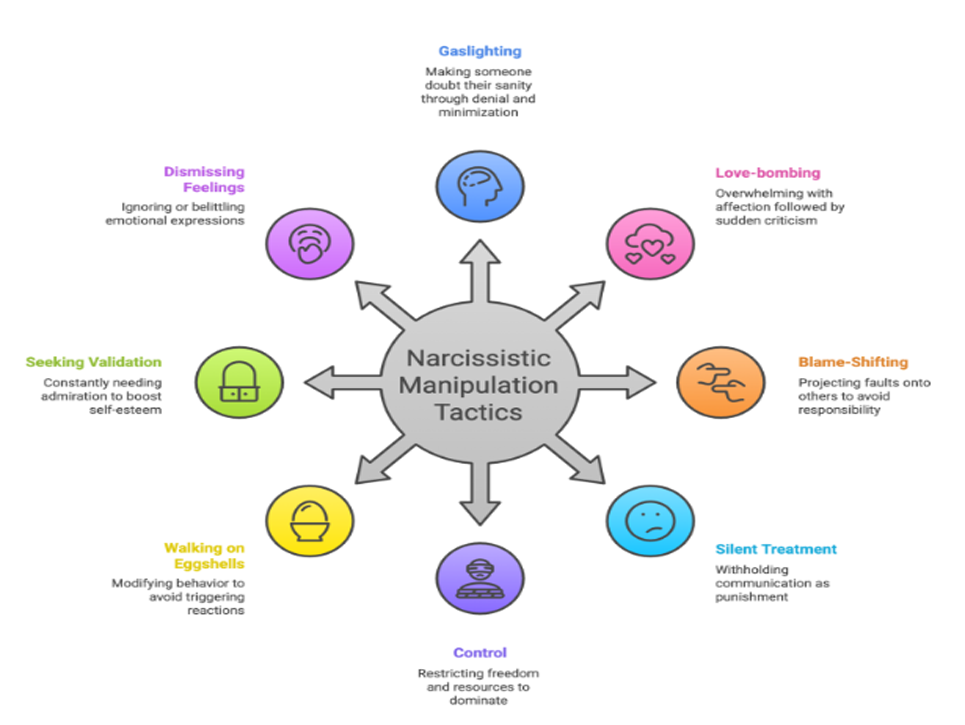
Close friends and partners often say it’s like “walking on eggshells,” never sure which version of you they’ll meet - the affectionate, present companion or the one who feels miles away behind an invisible wall.
Clients at Coach for Mind often find that therapy doesn’t just improve intimate relationships—it changes their professional lives too. By learning to recognize body cues of withdrawal and practicing “micro-vulnerability” (for example, asking a teammate for input rather than perfecting something alone), they gradually build a steadier sense of connection. Over time, collaboration starts to feel less like a threat and more like a choice, freeing energy for creativity and genuine teamwork.
Fearful-Avoidant Vs. Other Attachment Styles: A Quick Comparison
Understanding how Fearful-Avoidant Attachment differs from other styles can provide clarity and validation for your unique experience, helping you see where your internal landscape truly lies.
| Feature | Secure Attachment | Anxious-Preoccupied Attachment | Dismissive-Avoidant Attachment | Fearful-Avoidant (Disorganized) Attachment |
|---|---|---|---|---|
| Core Strategy | Suppress emotions, prioritize independence, self-soothe. | Push-pull, desire intimacy but fear it, often chaotic and inconsistent. | ||
| View of Self | Positive, worthy | Negative, unworthy | Positive, self-sufficient | Ambivalent: unworthy, yet desires connection |
| View of Others | Positive, trustworthy | Ambivalent: desired, yet unreliable | Negative, untrustworthy, intrusive | Ambivalent: desired, yet untrustworthy/frightening |
| Desire for Intimacy | High, comfortable with closeness | High, craves closeness, fears abandonment | Low, values independence above all | High, but terrified of it |
| Response to Stress | Seeks comfort, communicates needs | Clings, demands attention, | Withdraws, suppresses | Cycles between clinging and withdrawing, disorganized |
| protests separation | emotions, self-soothes | |||
| Relationship Pattern | Stable, trusting, interdependent | Enmeshed, demanding, often feels unloved | Distant, independent, avoids deep commitment | Volatile, push-pull, self-sabotaging |
| Core Fear | Loss of connection (manageable) | Abandonment | Engulfment, loss of independence | Abandonment AND engulfment, being hurt |
While an anxious individual might constantly seek reassurance and a dismissive-avoidant might consistently maintain distance, the fearful-avoidant individual oscillates wildly between these extremes, making their behavior unpredictable and often confusing to themselves and others. It's a unique, challenging internal landscape.
The Healing Journey: Practical Steps Towards Earned Security
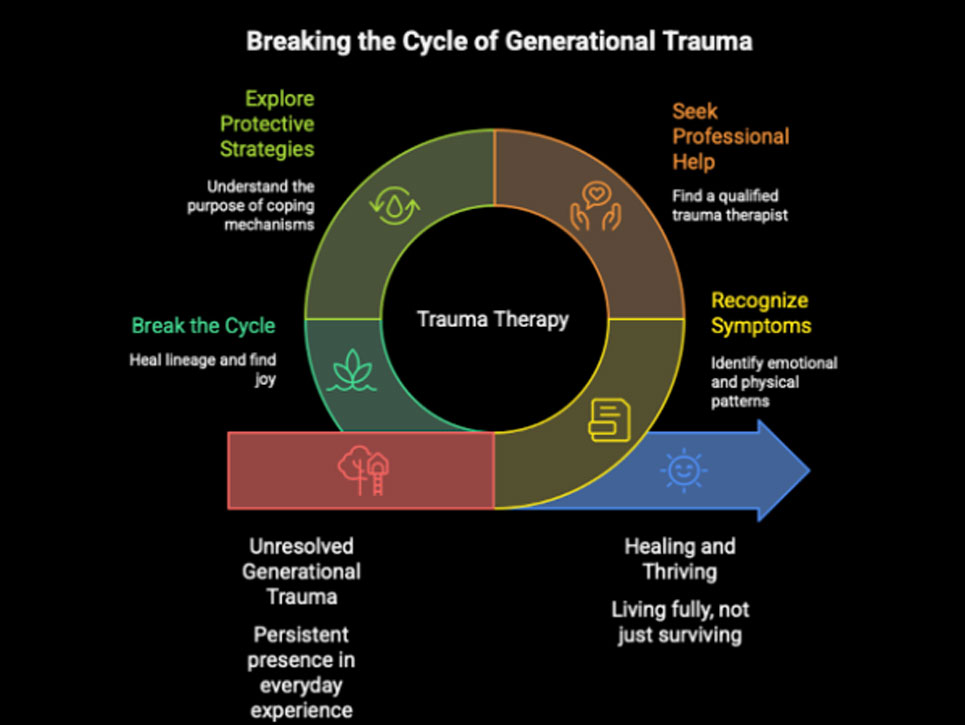
Healing fearful-avoidant attachment is a journey of "earned security"—a process of consciously rewiring learned patterns and developing a secure sense of self. This is not a quick fix but a long-term, compassionate endeavor that requires consistent effort.
Steps on the Personal Healing Journey
While professional support is invaluable, there are practical steps you can take on your own to move toward secure attachment.
- Cultivate Radical Self-Awareness: The first step is to recognize your patterns without judgment.
- Identify Your Triggers: Pay attention to what situations or behaviors cause you to feel panicked or want to withdraw. Keeping a journal can help you track these moments.
- Understand Your Internal Dialogue: When triggered, challenge the old stories you tell yourself, like "They're going to leave me." Ask yourself, "Is this truly happening now, or is this an old wound being activated?"
- Recognize Deactivation Strategies: Simply notice how you create distance, whether it's through criticism, silence, or suddenly feeling numb.
- Embrace Inner Child Work: Connect with the younger, often terrified or neglected part of yourself. Imagine comforting and validating that child, offering them the solace and unwavering presence they didn't receive.
- Develop Emotional Regulation Skills:
- Practice Mindfulness and Grounding: Use techniques like the 5-4-3-2-1 method (naming 5 things you can see, 4 things you can feel, etc.) to stay present during moments of high stress.
- Practice Self-Soothing: Find healthy ways to comfort yourself, such as exercise, spending time in nature, or creative expression.
- Practice New Behaviors and Set Healthy Boundaries:
- Lean into Discomfort: When the urge to pull away arises, try to stay present just a little longer.
- Communicate Needs Directly: Instead of resorting to the push-pull dance, use "I" statements to calmly and clearly articulate your needs and fears (e.g., "I feel overwhelmed and need a moment to process").
- Learn to Receive Love: For fearful-avoidant individuals, receiving consistent love can feel unsettling. Practice accepting affection, compliments, and support without immediately looking for the catch.
Navigating Relationships
Healing is an individual journey, but it profoundly, intricately impacts your relationships, like ripples spreading across a pond. Both disorganisedly attached individuals and their partners play a vital role in co-creating a more secure, compassionate dynamic.
For Fearful-Avoidant Individuals:
- Choose Partners Committed to Growth): While you might be drawn to the familiar dance of unavailable dynamics, consciously seek out partners who demonstrate consistency, genuine emotional generosity, and a heartfelt willingness to understand and patiently support your healing journey. Recognize red flags like inconsistency or dismissiveness early on.
- Communicate Your Attachment Style: Once you understand it, share it with your partner. Explain the push-pull, your fears, and your triggers. This isn't a free pass or an excuse, but a vital explanation that invites understanding and collaboration.
- Take Responsibility for Your Healing: While a supportive partner is invaluable, they are not your therapist or your "cure." Your healing is ultimately your responsibility. Relying solely on a partner for security can create an unhealthy, often suffocating, codependency.
- Practice Vulnerability in Small Doses: Don't expect to jump from zero to fully open overnight. Share small fears, perhaps a quiet anxiety, or even a simple joy. Observe how your partner responds. This is how genuine trust, brick by brick, is incrementally built.
- Challenge Your Assumptions: When you feel triggered, question your immediate assumptions about your partner's intentions. Are they truly abandoning you, or is your deeply ingrained trauma response being activated, whispering old stories?
For Partners of Fearful-Avoidant Individuals:
- Educate Yourself: Understand the origins and manifestations of Fearful-Avoidant Attachment. This helps you depersonalize their often confusing behaviors and see them as deeply ingrained survival mechanisms, not intentional malice or rejection of you.
- Offer Consistent, Gentle Reassurance (but with a mindful touch): Fearful-Avoidants need to learn that consistency is safe. Offer verbal reassurance of your commitment, love, and presence. However, avoid smothering, as this can trigger their fear of engulfment. Find a delicate, intuitive balance.
- Respect Their Need for Space: When they pull away, it's often a self-preservation mechanism. Give them space, but communicate that you'll be there when they're ready to reconnect. "I'm here when you're ready to talk" is a powerful, anchoring message. Avoid the instinct to chase, or worse, to inadvertently punish them for needing space.
- Encourage Vulnerability, Don't Demand It: Create a safe space for them to share, but don't force it. Validate their immense courage when they do open up, even if it's just a tiny crack in the armor.
- Set Your Own Boundaries: Partners of Fearful-Avoidants can often feel utterly drained, confused, or even personally rejected. It's crucial to have your own support system, communicate your needs, and establish boundaries to protect your own precious well-being and emotional reserves. Don't enable unhealthy patterns.
- Celebrate Small Wins: Acknowledge and appreciate every step your Fearful-Avoidant partner takes towards greater intimacy and security. Remember, healing is a marathon, a winding path, not a sudden sprint to the finish line.
Seeking Professional Help
While self-help strategies are powerful and essential, professional guidance can truly accelerate and profoundly deepen the healing process, especially for those with significant childhood trauma. A good therapist can provide a safe, consistent attachment figure to help you gently re-pattern your deeply ingrained relational experiences. For individuals with fearful-avoidant attachment, a trauma-informed and paced approach is essential. The goal is to build a sense of safety and regulation before diving into past wounds.
- Safety Building and Stabilization: Before addressing trauma, a therapist helps a client develop grounding techniques and emotional regulation skills. This could include breathwork, mindfulness, or a simple "5 senses" check-in to help them stay present and calm their nervous system when triggered.
- Attachment-Focused Relational Therapy: Directly addresses the impact of early attachment experiences on adult relationships. It helps individuals understand their attachment patterns and the therapist becomes a "secure base," modeling reliability and consistency. This safe, predictable relationship allows the client to practice vulnerability and experience a healthy, non-threatening connection, which can gradually re-pattern their relational experiences.
- Eye Movement Desensitization and Reprocessing (EMDR): This is highly effective for processing traumatic memories that are often at the root of fearful attachment. EMDR helps to gently reprocess these distressing events, reducing their emotional charge and allowing the individual to create new, healthier neural pathways
- Cognitive Behavioral Therapy (CBT): Focuses on identifying and challenging negative thought patterns and behaviors associated with attachment insecurity, helping you reframe your inner narrative.
- Dialectical Behavior Therapy (DBT): Excellent for developing emotional regulation, distress tolerance, and interpersonal effectiveness skills, which are often challenging for FAs, offering practical tools for navigating intense feelings.
- Internal Family Systems (IFS): his therapeutic model helps individuals connect with their "protective parts" (the parts that push others away or shut down) and the younger, wounded parts that carry the fear and pain. It fosters self-compassion and helps integrate these conflicting parts of the self. This can be particularly helpful for the internal "war zone" experience, bringing a quiet peace to the conflicting voices within.
Finding the Right Therapist
Look for a therapist who:
- Has experience with attachment theory and trauma-informed care.
- Creates a safe, non-judgmental space where you feel truly, deeply seen and heard, perhaps for the very first time.
- Employs an empathetic, deeply validating, and understanding presence.
- Focuses on practical, tangible skills alongside deep, gentle emotional processing.
Conclusion: Embracing the Journey to Secure Love
The journey of healing fearful-avoidant attachment is an act of profound courage. It requires facing the deep-seated belief that love and safety cannot coexist—a painful lesson learned in early life. But by embracing this path, you are not just addressing a relationship pattern; you are reclaiming your sense of self and your capacity for genuine connection. You are not "broken" for having a fearful-avoidant attachment style. Your behaviors are intelligent, though often painful, survival mechanisms developed to protect you from past hurts. The good news is that these patterns are not permanent. The secure connection you desire is not just a fantasy; it's an achievable reality.
The path to earned security involves:
- Radical self-compassion for the parts of you that are still afraid.
- Consistent, gentle effort to practice new, healthier behaviors.
- A deep commitment to your own healing, recognizing that your well-being is not dependent on others.
By taking responsibility for this journey, you empower yourself to break the exhausting cycle of craving and fearing intimacy. You learn to build trust not just with others, but first and foremost, with yourself. This transformation allows you to create genuinely secure, deeply fulfilling relationships where you can finally feel both profoundly loved and truly safe. The journey is challenging, but the freedom and authentic connection that await you are immeasurable. Explore our couples therapy in India services to begin that journey with professional support.
Why CoachForMind?
Experienced Psychologists: We are a team of licensed RCI-registered clinical psychologists. Our team is well-experienced in various forms of therapy such as CBT, DBT, EMDR, and Narrative Therapy.
Personalized Approach: We are dedicated to treating our clients in the best-suited way, carefully curated as per the client's needs, and adhering to one-on-one, client-centered therapy.
Scientific Techniques: Our treatment plans and therapeutic methods are based on highly researched scientific findings such as CBT, DBT, EMDR and Narrative Therapy.
Quality service: We at CoachForMind ensure quality services in our treatment regime and therapeutic approaches. Our clients hold the most value to us, so we ground our techniques in empathy while maintaining professionalism.
Begin with a free 15-minute discovery call For more information, please visit our website or contact us directly at coachformind@gmail.com
Written by Ms Akshita - Psychotherapist at Coach For Mind
FAQs
At some point in your childhood, love was both nourishing and dangerous. A parent or caregiver may have been the source of comfort and also the source of fear (through anger, withdrawal, neglect, or unpredictability). Your nervous system learned: “Closeness can soothe me… but it can also hurt me.” As an adult, this shows up as a push–pull pattern: you long for deep connection, but when it shows up consistently, your system panics — “this will trap me, overwhelm me, or end painfully.” Running becomes a way to protect yourself, even if part of you longs to stay.
At Coach for Mind, therapy helps by:
- IFS (Parts Work): meeting the parts of you that crave closeness and the ones that panic — helping them stop fighting each other.
- CFM (Control-Mastery): uncovering the unconscious “tests” you run on partners (“If I let them close, will they hurt me like before?”) and showing that different, safer outcomes are possible.
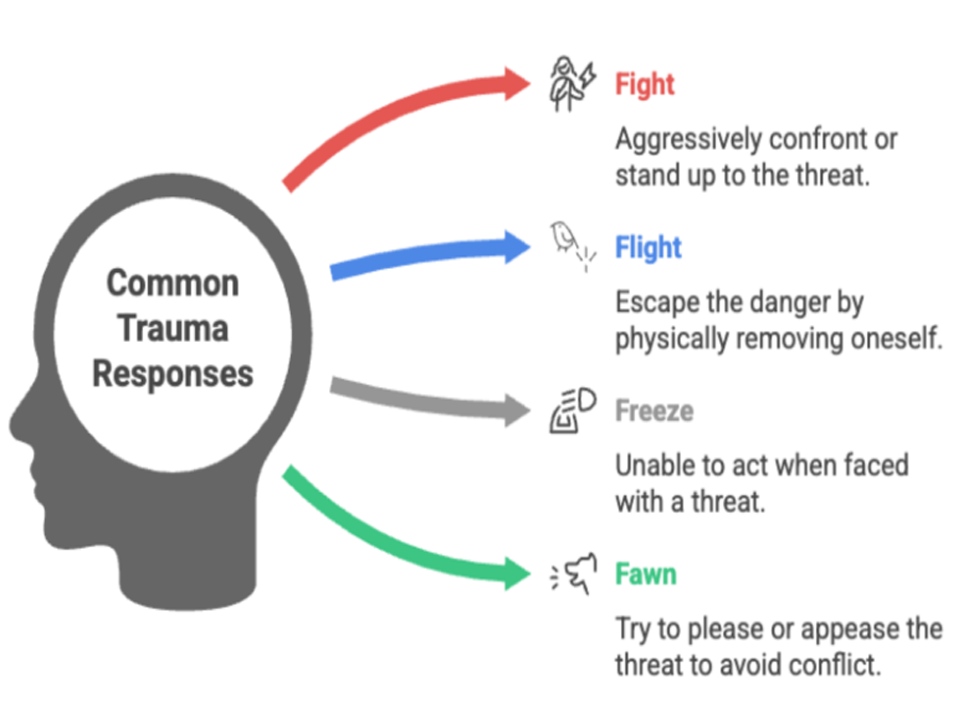
- Somatic work: calming the body’s fight/flight/freeze/fawn responses that get triggered by intimacy.
Relational therapy: using the therapist-client relationship to test closeness in a safe, steady way.
Healing for FAs takes patience. Expect a cycle of approach–avoid–repair in therapy itself. That’s not failure; it’s the pattern surfacing where it can finally be worked through. Healing is absolutely possible, but it requires gentle, consistent work on two fronts at once:
- Calming the panic around closeness.
- Soothing the fear of abandonment.
At Coach for Mind, the path to healing usually includes:
- Somatic therapies (SE, polyvagal work): helping your body tolerate closeness without going into alarm.
- IFS: teaching the protective parts (avoidant parts, panicked parts) that they no longer have to run the show.
- Trauma-focused CBT or EMDR: reprocessing the early memories where love and fear were fused.
Relational therapy: practicing real-time repair with the therapist when old dynamics show up in the therapy room.
Yes and no. If you feel genuine safety with someone, it means your system can experience secure connection. Sometimes, FAs do circle back to safe partners when they’ve begun healing and can tolerate consistency better. But — safety with someone in the past doesn’t guarantee a secure future if the old fears are still unhealed. Returning without inner work may restart the push–pull cycle.
At Coach for Mind, we help you:
- Clarify your motivation: is returning about healing and choosing differently, or about replaying the old cycle?
- Practice secure relating in therapy first, so if you reconnect, you bring new skills.
- IFS + CFM: exploring the younger parts that equate safety with eventual loss, and giving them new experiences before risking the old relationship again.
What matters isn’t returning but whether your nervous system has shifted enough to sustain connection without sabotage.
Both are avoidant styles, but they differ in how they feel inside and show up outside:
- Avoidant: prioritizes independence, minimizes needs, avoids emotional closeness, often doesn’t consciously feel the longing. Their system mostly suppresses attachment needs.
Fearful-Avoidant: deeply wants closeness but also fears it. They swing between pulling partners close and pushing them away. Their system is torn between anxious and avoidant drives.
It is hard to be stuck in patterns where you feel like people will leave. This could be because your body is drawn to the familiar, not the healthy. If your earliest attachments were unpredictable or rejecting, that dynamic feels like “home.” A partner who is steady and safe may feel boring or suspicious at first. You’re not broken for choosing badly. You’re repeating what your nervous system knows. Therapy rewrites what “home” feels like.
No. While deeply ingrained, attachment styles are remarkably fluid - like rivers carving new paths. With consistent awareness, inner work, and relational practice, you can absolutely move toward “earned security.” Your past explains you, but it doesn’t define your future. Security can be learned at any age.
At Coach for Mind, we use:
- CFM: to disprove old pathogenic beliefs.
- IFS: to heal inner child parts.
- Relational work: to create a secure base with your therapist.
EFT (couples): to build secure dynamics in relationships.
A secure partner can be an incredible support - their steadiness can soothe your alarms and model healthy connection. But they are not a cure. Relying on them alone can become codependent and overwhelming.
At Coach for Mind, we encourage:
- Individual therapy: doing your own healing work alongside the relationship.
- Relational therapy: using the secure partner’s support, but with guided boundaries so they aren’t turned into a “therapist.”
IFS: learning to meet your own needs so you don’t lean too heavily on one person.
Absolutely not. This is one of the most painful myths. FAs may struggle, but they are capable of profound love and empathy once they heal their protective patterns.
At Coach for Mind, we help FAs build healthy relationships by:
- Relational therapy: practicing secure dynamics directly in-session.
- CFM: undoing the belief “I am unlovable” or “Closeness always ends in loss.”
- Somatic regulation: calming the nervous system so closeness feels survivable.
- Couples EFT: showing both partners how to break the pursue–withdraw cycle.
Therapist insight: Many FAs, once healed, become deeply empathetic, attuned partners. The very sensitivity that once caused chaos can transform into profound connection.